US-China Trade Truce Extended Through January 2027, But Farm Purchase Pledges Lag
25 September 2026, Washington, D.C: The United States and China have extended their tariff truce by two months, pushing the deadline to January 10, 2027, US Treasury Secretary Scott Bessent said on September 24, even as Beijing continues to fall short on the broader agricultural purchase commitments it made earlier this year.
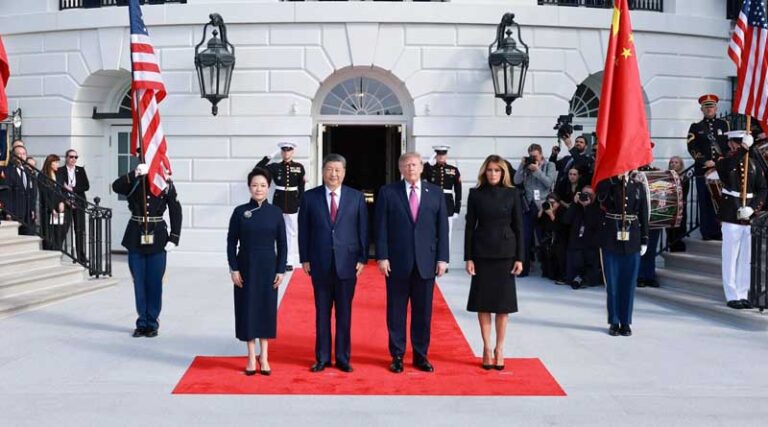
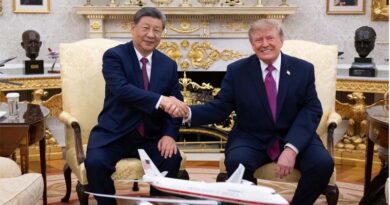
Bessent announced the extension in media interviews as Chinese President Xi Jinping arrived in Washington for a state visit that included a White House meeting with President Donald Trump and a state dinner. The original truce, struck at the Busan summit in South Korea in late October 2025, had been due to expire on November 10. “We will extend the Busan agreement that was scheduled to end Nov. 10. That is going to be extended until Jan. 10 to give us more time,” Bessent said.
The Washington meeting itself, the third Trump-Xi encounter in less than a year, was dominated by tensions over Taiwan and the US-Israel conflict with Iran rather than agriculture, according to reporting from the meeting. But for American farm groups, the real story is what happens to Chinese purchases of US soybeans, sorghum and other crops once the political theater ends.
Soybeans on track, other purchases behind schedule
Under the trade framework agreed earlier in 2026, China committed to buying an initial 12 million metric tons of US soybeans and at least 25 million metric tons annually through 2028, alongside a separate pledge to purchase at least 17 billion dollars a year in broader US agricultural products through 2028. Bessent said China “has been meeting its obligations well this year, including the soybean purchases,” with roughly 10 million metric tons of the current crop sold to China as of September 10. But he acknowledged the wider 17 billion dollar farm purchase target is running behind schedule.
China’s soybean imports from the US still carry a combined tariff of roughly 13 percent (a 3 percent base duty plus a 10 percent reciprocal tariff), compared with about 3 percent on soybeans from Brazil, according to trade data cited by commodity analysts. That gap has kept Brazil as China’s dominant supplier and left American soybean processors unable to compete on price even when Chinese buyers are willing to purchase.
Farm groups used the run-up to the summit to press for more. The American Soybean Association and the National Sorghum Producers both sent letters to Trump asking that the reciprocal tariff be removed entirely so US crops can compete with Brazilian supply on equal footing. Sorghum growers specifically asked for an enforceable annual commitment of 5 to 7 million metric tons, up from the historical range of 4 to 5 million tons. Industry figures also flagged a separate irritant: a suspension on port fees for Chinese-flagged vessels calling at US ports is due to expire in November, right in the middle of harvest season, and shippers want it extended.
“They’ve worked hard to diversify their soybean portfolio away from America,” Jim McCormick, chief operating officer at AgMarket.net, said of China’s trading strategy, noting that Chinese buyers have spent recent years building alternative supply relationships in South America even as they resumed some US purchases.
Why this matters beyond soybeans
China now takes roughly half of all US soybean exports, down from about two-thirds before the tariff disputes of Trump’s second term began. That shift has permanently altered global oilseed trade flows: Brazilian and Argentine soybeans have captured market share that may not fully revert even if tariffs eventually come down, since buyers and shippers have restructured contracts and logistics around the new pattern. The truce extension buys both governments more time to negotiate a broader framework, including talks on a bilateral board to classify which goods count as “non-sensitive” for tariff relief, but it does not resolve the underlying tariff gap that is distorting global soybean trade.
Global Agriculture is an independent international media platform covering agri-business, policy, technology, and sustainability. For editorial collaborations, thought leadership, and strategic communications, write to pr@global-agriculture.com