US-China Trade Truce Extended Two Months as Xi Visits Washington
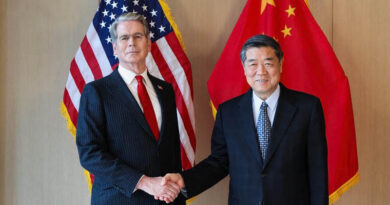
25 September 2026, Washington, D.C.: The United States and China agreed on Wednesday to extend their year-old trade truce by two months, pushing the expiry date from November 10 to January 10, 2027, as Chinese President Xi Jinping arrived in Washington for a state visit. US Treasury Secretary Scott Bessent announced the extension on Fox News, saying the two sides had reached a deal to keep the current arrangement running while broader talks continue.
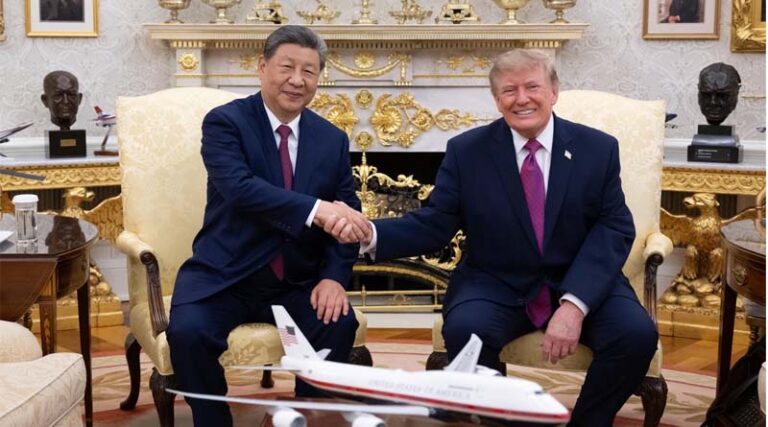
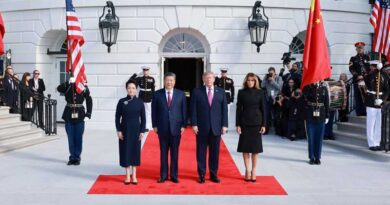
President Trump gave Xi an unusually warm planeside welcome on the tarmac, telling reporters afterward, “That was a great greeting, and I think they appreciate it.” The gesture set a cordial tone for a visit that both governments have billed as an effort to manage, rather than resolve, a relationship still strained by disputes over technology, Taiwan and rare earth minerals.
The truce being extended traces back to an agreement struck in Busan, South Korea, in October 2025. It had already run for eleven months. Officials on both sides have signalled low expectations for a sweeping new agreement this week, with talks on sector-specific tariff reductions expected to continue into Thursday. Areas of continued friction include export controls on rare earth minerals and semiconductors, China’s dealings with Iran, and competition over artificial intelligence.
Soybean pledge already half met
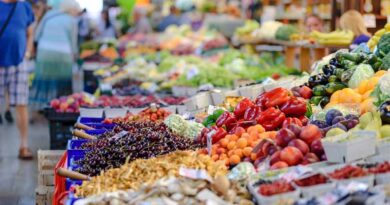
Agriculture has emerged as the steadiest part of an otherwise uneasy relationship. Under the Busan arrangement, China committed to buying 25 million metric tons of US soybeans annually through 2028, a sharp step up from the one-time 12 million ton purchase Beijing made good on shortly after the original deal. According to trade reporting reviewed ahead of this week’s summit, Chinese buyers had already fulfilled more than half of this year’s 25 million ton target by mid-September, including at least 1 million metric tons purchased in a single week in the run-up to the summit.
That buying pattern matters because it has been uneven. China paused purchases for stretches earlier in the year before resuming heavily as the new US crop became available and prices turned attractive, a pattern analysts say reflects Beijing balancing its trade commitments against cheaper supplies from Brazil and Argentina. Whether China sustains the pace into 2027, when the higher 25 million ton benchmark is meant to become the new normal, is likely to be one of the more closely watched outcomes of this week’s talks.
For American farmers, the stakes are considerable. Soybean futures have traded near their highest levels in more than a year in recent weeks on hopes that the summit would cement the purchase commitments, and US farm groups, including the American Soybean Association, have pressed negotiators for firmer, longer-dated commitments rather than another short-term truce. Reports circulating ahead of the summit noted that China’s crop buying so far had been described by some observers as “selective,” fulfilling headline volume targets while leaving longer-term certainty for US growers unresolved.
Global Agriculture is an independent international media platform covering agri-business, policy, technology, and sustainability. For editorial collaborations, thought leadership, and strategic communications, write to pr@global-agriculture.com