As Maize Competes with Soybean for Acreage, India’s Urea Demand Could Rise
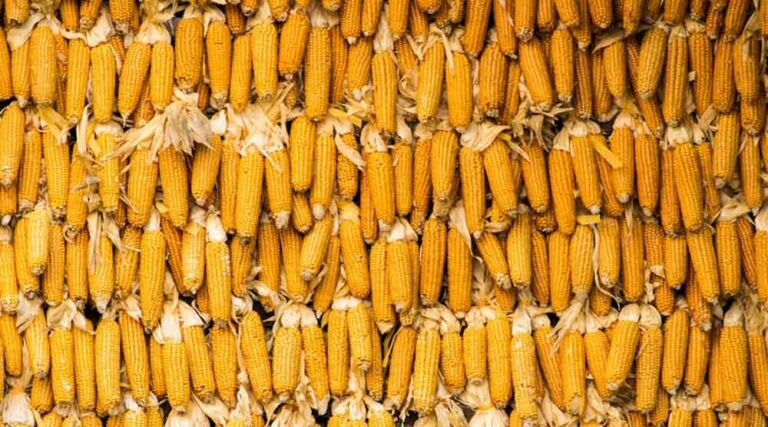
12 March 2026, New Delhi: Maize is a urea-intensive crop, and its expanding acreage across the world including India and may have implications for fertilizer demand at a time when global supply chains remain sensitive to geopolitical tensions. With ongoing conflicts affecting energy markets and shipping routes, fertilizers derived from natural gas, such as urea, remain closely linked to global stability.
While India currently maintains adequate fertilizer stocks, urea is not an unlimited resource, and a significant expansion of nitrogen-hungry crops like maize could create pressure on supplies if disruptions continue into the coming cropping seasons.
In several parts of India, maize is increasingly competing for acreage with soybean. Both crops are largely cultivated during the kharif (monsoon) season, and farmers often choose between them depending on rainfall conditions and market returns. Over the past few seasons, maize has gained an advantage in certain regions because of strong demand from the poultry feed industry, starch processors, and emerging ethanol programs. At the same time, soybean prices have often remained relatively subdued compared to maize, encouraging some farmers to reconsider their crop choices.
Productivity also plays a role in these decisions. Maize generally delivers higher yields per hectare, and when supported by good rainfall or irrigation, it can offer stronger gross returns to farmers. This economic advantage has encouraged farmers in states such as Madhya Pradesh, Karnataka, Telangana, and Maharashtra to experiment with maize cultivation in areas traditionally dominated by soybean.
India’s cropping statistics show how closely these two crops compete for land. In the 2024-25 crop year, maize cultivation covered 120.91 lakh hectares, producing around 43 million tonnes. Soybean, meanwhile, was cultivated on around 129.52 lakh hectares, mainly across the central Indian belt. A look at historical data shows that maize cultivation in India covered around 90 lakh hectares in the 2018–19 crop year.
Soybean and Maize Acreage Comparison in Lakh Hectare (2021-2025)
Crop
2021-22
2022-23
2023-24
2024-25
2025-26
Soybean
121.47
130.84
132.55
129.52
123.73
Maize
99.58
107.44
112.41
120.91
128.35
*Data for summer maize for the period 2025-26 not included
While soybean still occupies slightly more land overall, the competition between the two crops is intensifying in districts where farmers increasingly respond to market signals.
The Agronomic Difference That Matters
The key difference between maize and soybean lies in their nutrient requirements.
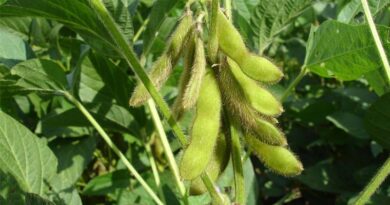
Soybean belongs to the legume family and has the ability to fix nitrogen from the atmosphere through symbiotic bacteria present in its root nodules. Because of this natural process, soybean typically requires only a small starter dose of nitrogen fertilizer, often around 20–30 kg nitrogen per hectare to support early plant growth.
Maize, however, has no biological nitrogen fixation capability. It depends entirely on nutrients supplied through fertilizers and soil reserves. As a result, maize is considered one of the most nitrogen-demanding cereal crops cultivated in India.
Recommended agronomic practices suggest that maize may require 100-120 kg nitrogen per hectare, depending on soil fertility and yield targets.
What This Means for Urea Use
Since urea contains about 46 percent nitrogen, supplying this level of nitrogen typically requires around 250–260 kg of urea per hectare in maize cultivation.
In simple terms, maize cultivation may require four to five times more nitrogen fertilizer than soybean.
This difference means that even modest shifts in cropping patternsnfrom soybean to maize can significantly increase overall fertilizer demand.
Why the Issue Matters Now
Nitrogen fertilizers such as urea are closely linked to the availability of natural gas, which is used to produce ammonia, the primary building block of urea. Global conflicts and geopolitical tensions often affect natural gas supply chains, energy prices, and fertilizer production capacity.
India has taken steps to safeguard fertilizer availability by prioritizing natural gas supply for fertilizer plants and maintaining buffer stocks. However, fertilizer demand in India remains high because agriculture operates across three cropping seasons — kharif, rabi, and summer — along with year-round horticulture production.
The Department of Fertilizers also reported a significant increase in fertilizer inventories ahead of the Kharif 2026 season. As of March 10, 2026, India’s total fertilizer stocks stood at 180.12 lakh metric tonnes (LMT), compared with 131.79 LMT during the same period last year, representing a 36.6 percent increase. The urea stock is 61.51 LMT, whereas it was 50.90 LMT during the same period last year.
Fertilizer
Stock (2026) LMT
Stock (2025) LMT
Urea
61.51
50.90
If maize acreage continues to expand in the kharif season while global fertilizer supply chains remain uncertain, the country’s nitrogen demand could rise faster than anticipated.
A Cropping Shift with Wider Implications
Soybean plays an important ecological role in farming systems by contributing nitrogen to the soil and reducing dependence on synthetic fertilizers. Maize, while economically attractive, increases reliance on external nitrogen sources.
As maize continues to compete with soybean for kharif acreage, the shift may not only change cropping patterns but could also quietly raise India’s dependence on urea.
Balancing crop economics with nutrient management may therefore become increasingly important, particularly if global fertilizer markets remain volatile in the coming seasons.
Global Agriculture is an independent international media platform covering agri-business, policy, technology, and sustainability. For editorial collaborations, thought leadership, and strategic communications, write to pr@global-agriculture.com