21 March 2026, London: The ongoing global urea disruption is beginning to alter planting intentions across major agricultural regions, with maize, one of the world’s most important cereals for food, fodder, and feed – facing potential acreage contraction. As fertiliser supply chains remain constrained due to disruptions in key shipping routes, farmers are increasingly weighing input availability over traditional market signals. In this shifting landscape, nitrogen-intensive crops are losing ground to more resilient alternatives.
A Cereal Crop at the Centre of the Feed Economy
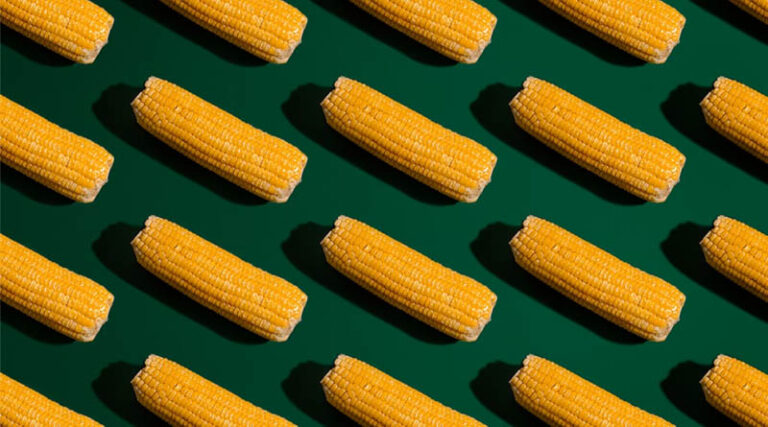
Maize occupies a central position in global agriculture, not only as a staple cereal in many countries but also as a primary component of livestock feed and fodder systems. It underpins poultry, dairy, and meat production across continents, making its availability critical far beyond crop markets. However, this importance is matched by its high input requirement, particularly nitrogen fertilisers such as urea.
Typically requiring 120 to 150 kilograms of nitrogen per hectare, maize is heavily dependent on timely and adequate fertiliser application. This nitrogen is essential for vegetative growth, cob development, and grain filling. In the current scenario, where urea supply is uncertain and delayed, this dependency is emerging as a major constraint. Farmers are increasingly reluctant to commit acreage to a crop that demands an input they may not be able to secure in time.
Input Constraints Begin to Redefine Planting Decisions
Unlike price fluctuations, which can be managed through market strategies, input shortages pose a more immediate and operational risk. The current fertiliser disruption is not just about higher costs but about the physical availability of urea during critical application windows. With shipping delays and insurance-related bottlenecks slowing global movement, the likelihood of timely fertiliser access is diminishing.
In this context, farmers across regions from North America to Asia and parts of Africa are beginning to reassess cropping plans. The risk of under-fertilisation in maize is particularly severe, as missed nitrogen applications cannot be fully compensated later in the season. This makes maize a high-risk choice in an environment where fertiliser supply remains uncertain.
Soybean Emerges as a Strategic Alternative
As maize faces pressure, soybean is gaining traction as a lower-risk alternative. Unlike cereals, soybean is a leguminous crop capable of fixing atmospheric nitrogen through biological processes in its root system. This significantly reduces its dependence on external nitrogen fertilisers, making it less vulnerable to disruptions in urea supply.
While soybean still requires other nutrients such as phosphorus and potassium, the reduced reliance on nitrogen offers a critical advantage in the current scenario. For farmers, this means one less major input to worry about at a time when supply chains are strained. As a result, a shift from maize to soybean is becoming increasingly likely, particularly in regions where fertiliser availability is uncertain.
This shift is not merely a substitution between crops but a structural adjustment driven by input constraints. Farmers are prioritising feasibility over optimisation, choosing crops that align with what is practically available rather than what might offer the highest theoretical returns.
Implications for Global Food, Feed, and Fodder Systems
A reduction in maize acreage carries significant implications for global food systems, particularly in the feed and livestock sectors. As maize is a key ingredient in animal feed, any decline in its production could lead to tighter feed supplies, higher costs for livestock producers, and potential increases in meat and dairy prices.
At the same time, an expansion in soybean acreage could influence oilseed markets, affecting prices of soybean meal and oil, which are also integral to feed formulations. The interplay between these shifts will shape global trade flows and commodity markets in the months ahead.
What is emerging is a season defined less by demand and more by constraints. The global fertiliser system, disrupted at a critical juncture, is now influencing what farmers can realistically plant. In such a scenario, crops like maize despite their central role in food, fodder, and feed may give way to alternatives that are better aligned with limited input availability.
As planting decisions unfold, the balance between cereals and oilseeds, between feed demand and input supply, will be recalibrated. And at the heart of this recalibration lies a simple but powerful reality: in a year of urea uncertainty, crops that require less nitrogen may ultimately dominate global acreage.
Global Agriculture is an independent international media platform covering agri-business, policy, technology, and sustainability. For editorial collaborations, thought leadership, and strategic communications, write to pr@global-agriculture.com