India-US Trade Talks Hit a “Plateau,” Sitharaman Says
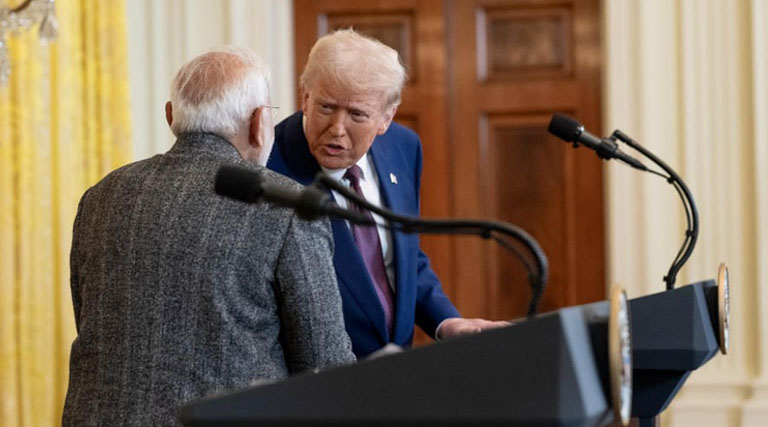
07 October 2026, New Delhi: India and the United States have effectively stalled in their attempt to finalise a bilateral trade agreement, with India’s finance minister Nirmala Sitharaman saying this week that both sides have reached a point beyond which further concessions would be very difficult, a signal that a deal many had expected to close this year is now unlikely to arrive soon.
Speaking at an event in New Delhi on October 5, Sitharaman described the negotiations as having reached what she called a plateau, adding that the talks have been hard and vigorously negotiated and that there is little room left for either side to give more ground. She also noted that India currently runs a trade surplus with the United States and that Washington wants to narrow that imbalance, a dynamic that has made further compromise politically difficult on both sides. Her comments echoed remarks from US Trade Representative Jamieson Greer, who said separately that a deal is not imminent.
The stall marks a reversal from February 2026, when the two countries announced a framework intended to cut US tariffs on Indian goods from 50 percent down to 18 percent. Since then, several developments have complicated the picture. The US Supreme Court invalidated the emergency tariff powers the Trump administration had used to set those duties, leaving a baseline rate of 10 percent in their place. Separately, new US legislation threatens tariffs of up to 100 percent on Indian goods tied to India’s continued purchases of Russian oil, and a pending Section 301 investigation covering multiple countries over alleged industrial overproduction adds further uncertainty. Diplomatic friction, including over a US military operation in Oman, has not helped the atmosphere. Negotiators may get another chance to make progress when US Secretary of State Marco Rubio visits India later this month, though no breakthrough has been confirmed.
Agriculture and Dairy Remain the Red Line
Agriculture and dairy have been the toughest sticking points in this negotiation from the start. Commerce Minister Piyush Goyal said in February, as the interim framework was being finalised, that the deal would protect India’s sensitive agriculture and dairy sectors, without detailing specific tariff lines. That position has not visibly softened since. India has long resisted opening its market to genetically modified corn and soymeal and to US dairy products, arguing that millions of smallholder dairy and oilseed farmers would be exposed to competition from highly subsidised, capital intensive US producers. With the broader deal now stuck, those sensitive categories remain untouched for the time being, which is the outcome India’s agriculture lobby has pushed for throughout.
Global Agriculture is an independent international media platform covering agri-business, policy, technology, and sustainability. For editorial collaborations, thought leadership, and strategic communications, write to pr@global-agriculture.com