Brazil Seizes Over 5,000 Litres of Unregistered Fertilizers in São Paulo Interior
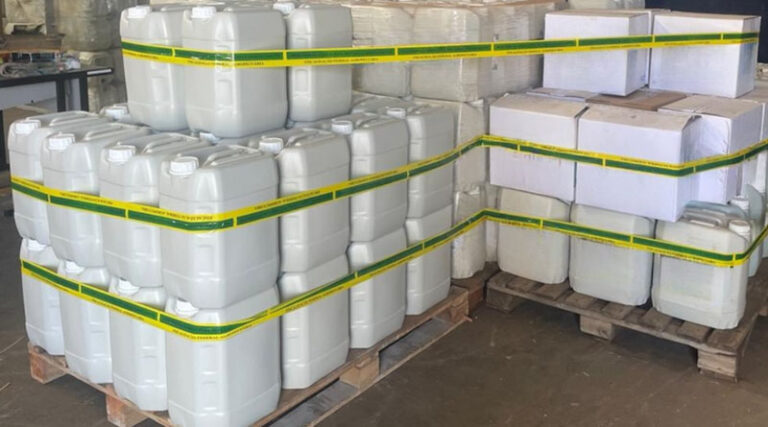
27 March 2026, São Paulo: Brazil’s Ministry of Agriculture and Livestock (Mapa) has seized 5,046 litres of irregular fertilizers during an enforcement operation in the interior of São Paulo state. The operation took place across the municipalities of Cedral, Olímpia, and Urupês, in the São José do Rio Preto region.
According to the Ministry, the products were in violation of existing regulations and were not registered with Mapa, making it impossible to verify their efficacy. Unregistered fertilizers pose risks to farmers, as they often contain imbalanced formulations that can negatively affect plant development and lead to physiological and nutritional disorders.
During the inspection, authorities intercepted a vehicle transporting fertilizers intended for resale. Federal agricultural auditors identified liquid fertilizer products bearing labels with registration numbers that were inconsistent with the declared formulations and guarantees. As a result, the products were classified as unregistered. The invoice was retained, and the batches were seized at the commercial establishment responsible.
Inspectors also identified additional compliance failures, including the absence of quality control documentation for production batches and the lack of production orders detailing the raw materials used. In total, seven companies were inspected during the first week of March, with three formally cited for violations.
The operation was initiated by the São Paulo State Plant Health and Agricultural Inputs Inspection Service (SISV-SP) and carried out by Mapa’s regional teams based in Araraquara and São José do Rio Preto.
Further findings revealed that some companies were producing adjuvants in the same facilities used for fertilizer manufacturing. As these products require different raw materials than those authorized for fertilizers, such co-production without proper segregation and process controls is not permitted. This practice can result in cross-contamination, affecting product quality and regulatory compliance.
All irregular fertilizers identified during the operation were seized. The companies involved have been fined and instructed to regularize their operations in accordance with current legislation.
Monitoring of Online Sales Intensifies
The inspection also found that some establishments were conducting sales via telephone and promoting products through social media platforms. Mapa has increased its monitoring of such sales channels and advises farmers to verify product registration and compliance before purchase to avoid counterfeit or irregular inputs.
The Ministry also encourages citizens to report suspected illegal fertilizer sales through the Fala.BR platform available on its official website.
Mapa stated that its enforcement actions are guided by risk-based analysis, focusing on critical products and locations. The strategy combines preventive and corrective measures supported by inspection intelligence, aiming to improve operational efficiency, ensure compliance of agricultural inputs, and safeguard agricultural production, consumers, and the competitiveness of Brazil’s agribusiness sector.
Also Read: MIT-WPU Researchers Develop AI Models to Boost Oil Recovery Amid Global Energy Volatility
Global Agriculture is an independent international media platform covering agri-business, policy, technology, and sustainability. For editorial collaborations, thought leadership, and strategic communications, write to pr@global-agriculture.com