New CRISPR Tool Cracks Regeneration Barrier in Tough Crops
14 September 2026, Weslaco, Texas: Scientists at Texas A&M AgriLife Research have developed a gene-editing method that solves one of the most stubborn technical problems in crop biotechnology: getting an edited plant cell to grow back into a full, healthy plant. The tool, called CRISPR-Combo, was described in a study published August 5, 2026 in the journal Nature Communications and announced by the university on September 9, 2026. It was led by Dr. Kranthi K. Mandadi, director of the Texas A&M AgriLife Research and Extension Center at Weslaco, working with colleagues at the University of Maryland and the US Department of Agriculture.
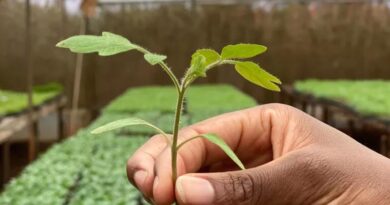
The breakthrough targets what plant scientists call the regeneration bottleneck. CRISPR gene editing itself, the process of using a programmable protein-RNA complex to make precise cuts and changes at specific spots in a plant’s DNA, has become fast and reliable in a lab dish. The harder step comes afterward: coaxing that single edited cell to divide and develop into roots, shoots and eventually a complete plant that can be grown in a field. Many valuable crops, particularly perennials and species that are propagated from cuttings rather than seed, such as citrus, potato, strawberry and poplar, resist this step badly. Scientists call them recalcitrant to regeneration. Some varieties take years in tissue culture, and many simply never regenerate at all, which has kept gene editing’s benefits out of reach for entire categories of crops even as the editing technology itself has matured.
CRISPR-Combo addresses this by pairing a standard gene edit with a second, simultaneous action: switching on the plant’s own morphogenic genes, the genes that naturally control cell division and development into new tissue. Earlier workarounds for poor regeneration typically inserted extra copies of growth-promoting genes borrowed from other organisms, which can complicate regulatory approval and breeding programs because the resulting plant carries foreign DNA. CRISPR-Combo instead uses the same CRISPR machinery already deployed for the intended edit to activate genes the plant already carries in its own genome, so no new genetic material is added.
To find which native genes were worth activating, the team first ran candidates through a high-throughput “hairy root” screen, a technique in which a soil bacterium is used to quickly induce root growth from plant tissue, letting researchers test dozens of genes for their effect on regeneration in weeks rather than the months a full plant-regrowth trial would take. Genes that performed well in this screen were then tested in combination, activating two or more morphogenic genes at once alongside the actual CRISPR edit, across whole-plant regeneration trials in four crops.
The results varied by crop but were consistent in direction. In potato, 4 of 17 candidate genes improved early root formation, and 3 of those raised shoot regeneration efficiency to between 45% and 70%, compared with 30% to 35% in untreated controls. In citrus, a notoriously difficult crop to regenerate in the lab, 5 of 10 candidate genes pushed regeneration efficiency above 80%, versus under 60% in controls. In strawberry and poplar, activating gene pairs shortened the regeneration timeline substantially, with poplar producing new shoots in under a month without the external plant hormones that are normally required to trigger that growth.
Closing a costly gap between lab and field
For plant breeders, the regeneration step has often been the difference between a promising gene edit that stays a laboratory curiosity and one that reaches a seed catalog. A disease-resistance or quality trait can be edited into a crop’s DNA in weeks, but if researchers cannot then regenerate enough healthy plants from those edited cells, the trait never advances to field trials. By raising regeneration rates and cutting the time needed, at least for the crops and genes tested so far, CRISPR-Combo could shorten that development window from years to months for some species, and make gene editing commercially viable for crops that biotech companies and universities have largely avoided because of poor transformation rates.
Because the method changes gene activity rather than inserting foreign DNA, plants developed this way are likely to fall under the lighter regulatory treatment that a growing number of countries, India among them, already apply to non-transgenic gene-edited crops. India’s Department of Biotechnology guidelines exempt certain classes of gene-edited plants that carry no foreign DNA from the stricter approval process used for conventional genetically modified organisms, a distinction that has already supported the release of India’s first genome-edited rice varieties. For India’s seed and biotech industry, and for other countries with large citrus, potato and horticultural sectors, a tool that makes perennial and vegetatively propagated crops easier to edit could widen the pipeline of traits, from disease resistance in citrus to stress tolerance in potato, that domestic breeding programs and international licensing partners can realistically bring to market. The Texas A&M team says it plans to expand testing of the morphogenic gene combinations to additional crops and to refine which gene pairings work best for each species.
Also Read: UPL Expands Nature-Based Agriculture Portfolio with Investment in Japan’s PhytoChrome
Global Agriculture is an independent international media platform covering agri-business, policy, technology, and sustainability. For editorial collaborations, thought leadership, and strategic communications, write to pr@global-agriculture.com