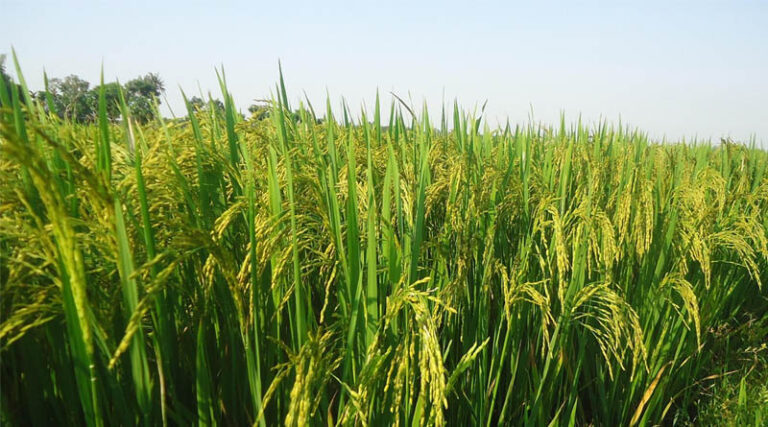
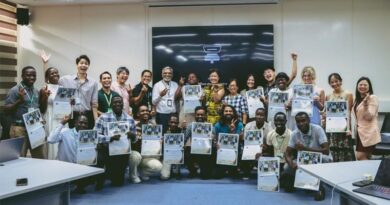
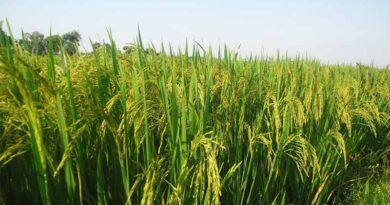
05 September 2026, China: A research team at Nanjing Agricultural University has identified the genetic mechanism that has long prevented successful crossbreeding between Asian and African rice species, a discovery published in the journal Science on August 28 that could open the door to a new generation of higher yielding hybrid rice varieties.
Led by researcher Wan Jianmin at the university’s State Key Laboratory for Crop Genetics and Germplasm Enhancement and Utilisation, the team identified three genes responsible for reproductive barriers between Oryza sativa, the Asian rice species grown across most of the world’s rice producing regions, and Oryza glaberrima, the African rice species valued for traits including pest resistance and tolerance to poor soil conditions that Asian varieties often lack.
Breeders have tried for decades to combine the two species in a single hybrid, hoping to pair the high yield and grain quality of Asian rice with the hardiness of African rice. Those efforts have consistently run into a biological wall, producing offspring with sterile pollen and sharply reduced yields that make commercial cultivation impractical. The Nanjing team’s work identifies the specific genetic triggers behind that sterility for the first time, according to the study.
Based on early trial data, varieties bred using the new genetic understanding could deliver yield increases of more than 10 percent compared with existing Asian hybrid rice varieties, a meaningful gain in a crop where breeding progress has slowed in recent years after decades of steady improvement following China’s original hybrid rice breakthroughs in the 1970s. The researchers describe the discovery as providing both a theoretical foundation and a set of genetic resources that plant breeders can now use to design new crosses that avoid the reproductive barriers documented in the study.
The timing carries added weight for China, which has made rice self sufficiency and broader grain security central to its agricultural policy in recent years. While China already produces the vast majority of the rice it consumes, incremental yield gains across the country’s roughly 30 million hectares of rice growing area translate into meaningful additional output at a time when arable land remains constrained and the government is pushing breeders to extract more production from existing farmland rather than expanding planted area.
The discovery also has implications beyond China. African rice species carry natural resistance to certain pests, diseases, and challenging soil conditions found across parts of Africa and South Asia, traits that plant breeders have long wanted to transfer into higher yielding Asian varieties grown more widely around the world. Successfully combining those traits could eventually benefit rice breeding programs in Africa and South Asia, where farmers often contend with the very stresses African rice varieties evolved to withstand.
Commercial hybrid varieties incorporating the new genetic findings are still years away, since plant breeding programs typically require multiple growing seasons of trials before new hybrids reach farmers’ fields. The Nanjing team’s publication represents a scientific breakthrough rather than an immediate commercial product, though seed companies and research institutes are likely to begin incorporating the identified genes into their own breeding pipelines following the paper’s publication.
China has invested heavily in agricultural biotechnology research in recent years as part of a broader push for seed industry self reliance, an effort that has also included expanded approvals for genetically modified corn and soybean varieties domestically. The rice crossbreeding discovery adds to a string of recent Chinese breeding advances that officials have highlighted as evidence the country’s seed research capacity is closing the gap with leading agricultural biotechnology programs elsewhere.
Global Agriculture is an independent international media platform covering agri-business, policy, technology, and sustainability. For editorial collaborations, thought leadership, and strategic communications, write to pr@global-agriculture.com