Putting Women At The Center Of Agrifood Transformation: Lessons From Odisha, India
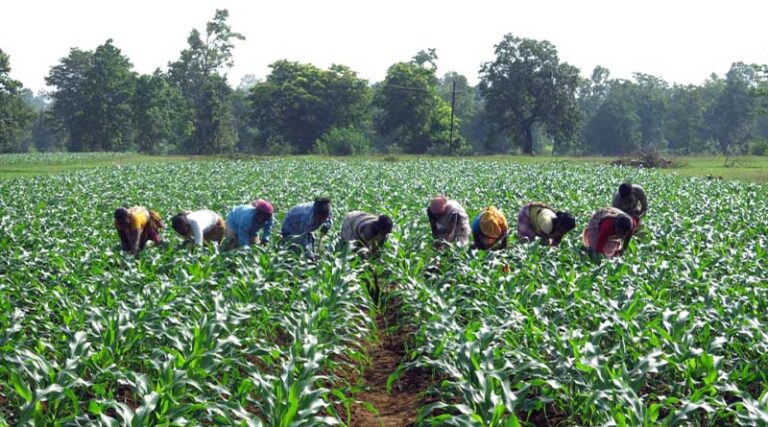
17 March 2026, New Delhi: The Indian state of Odisha has made significant strides in placing women at the center of its development agenda: it has 85 programs exclusively for women, 420 gender-sensitive programs, and 45% of the state budget includes measures with some gender component. The goal is to achieve an economically, socially, and environmentally sustainable agrifood system in which women play an empowering and pivotal role.
This is a complex process that involves weighing many potential economic and social impacts, including women’s empowerment. Yet evidence suggests the many clear advantages to prioritizing gender equity. No transformation success story exists without women playing a pivotal role—nationally, regionally or globally.
Our work with the Gender Responsive Cell (GRC)—an Odisha policy initiative developed with IFPRI input that aims to embed gender equity into agricultural policy, services, and outcomes for women farmers—casts light on this process.
Our theory of change, moving from the goal of economic growth to development comprising a healthy, equitable, and sustainable agrifood system (Figure 1) includes a gender thoroughfare: the many paths through which gender exerts influence. Gender has always been embedded in the pathways from inputs to outputs that drive growth: land, labor, productivity. Yet gender is often left out of the policy conversation. Achieving food system transformation requires giving currency to gender throughout this process of change.
Also Read: India Could Face Sulphur Shortage if Gulf Supply Disruptions Continue, Fertiliser Sector on Alert
Global Agriculture is an independent international media platform covering agri-business, policy, technology, and sustainability. For editorial collaborations, thought leadership, and strategic communications, write to pr@global-agriculture.com