SC-REDD+ Steering Committee Endorses 2026 Project Roadmap in DRC
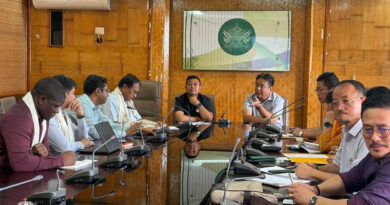
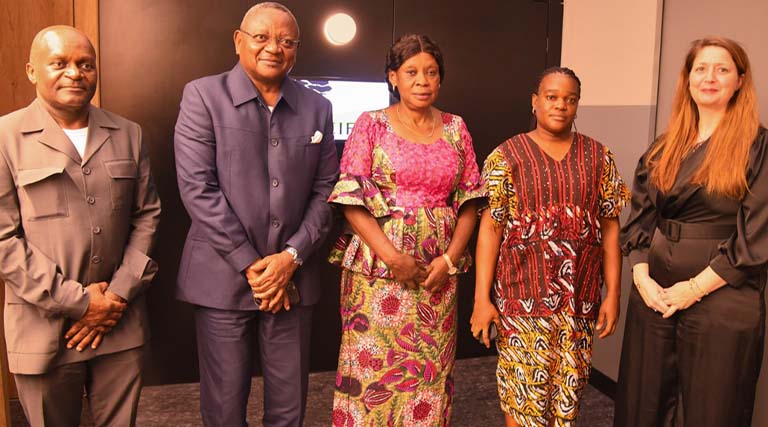
10 March 2026, New Delhi: On 12 February 2026, the Support to civil society for the decentralized monitoring of REDD+ projects and programmes in the DRC (SC-REDD+) initiative held its second Steering Committee meeting in Kinshasa, Democratic Republic of the Congo (DRC).
The meeting culminated in the formal validation of the 2026 annual work plan and budget. This marked an important milestone for the next phase of project implementation.
Based on the approved 2026 plan, implementation will focus on consolidating institutional governance, strengthening decentralized monitoring systems, and building the technical capacity of civil society actors across provinces.
Together, these activities directly advance the project’s overall goal of reinforcing the meaningful participation of Congolese civil society in the REDD+ process, improving transparency and accountability in forest governance, and ensuring that climate and anti-deforestation initiatives deliver equitable benefits to forest-dependent communities.
The SC-REDD+ project is a three-year initiative implemented by a consortium comprising the Center for International Forestry Research and the Renovated Climate and REDD+ Working Group (GTCR-R). REDD+ (reducing emissions from deforestation and forest degradation, and the enhancement of forest carbon stocks) is a climate change mitigation solution developed by Parties to the United Nations Framework Convention on Climate Change.
Funded by the Central African Forest Initiative through the National REDD Fund (FONAREDD), the project aims to involve civil society to facilitate the development of effective policies, implement anti-deforestation initiatives, and ensure that forest-dependent communities benefit from conservation efforts. By participating fully in decision-making processes, these communities help foster social equity and environmental justice.
The Steering Committee meeting was chaired by Ms Pascaline Mbangu Kikumbi, president of the Steering Committee and general secretary of the Ministry of Environment, Sustainable Development, and the New Climate Economy (MEDD-NEC). Committee members participated both in person and remotely, reflecting a hybrid and inclusive approach to governance.
Professor Bavon N’Sa Mputu Elima, national executive secretary of FONAREDD, played an active role in reviewing the implementation of 2025 activities and analysing the proposed 2026 annual work plan and budget. Discussions covered institutional arrangements, operational frameworks, as well as communication, monitoring and evaluation strategies. Participants also assessed progress made in implementing the recommendations from the first Steering Committee meeting, held on 3 October 2025.
Also Read: From Rust Threat to Wheat Expansion in Ethiopia
Global Agriculture is an independent international media platform covering agri-business, policy, technology, and sustainability. For editorial collaborations, thought leadership, and strategic communications, write to pr@global-agriculture.com