17 November 2026, London, GB: Britain’s Department for Environment, Food and Rural Affairs has raised the risk of highly pathogenic avian influenza (HPAI) to its poultry sector and ordered commercial and backyard flocks across England to be kept indoors, as confirmed cases climb across Great Britain and the wider European poultry sector comes under renewed pressure.
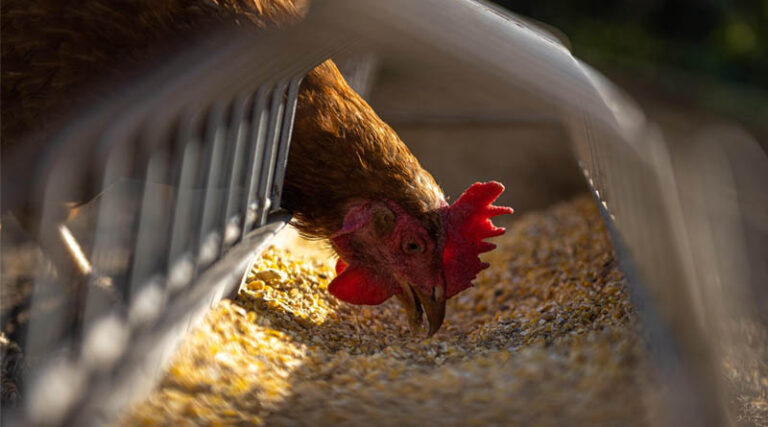
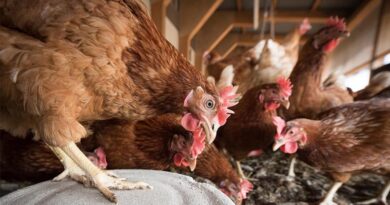
An Avian Influenza Prevention Zone covering all of England came into effect on November 11, and a mandatory housing order followed from 00:01 on Friday, November 13. The order applies to any keeper with 50 or more birds, as well as anyone who sells or gives away eggs or poultry products, regardless of flock size. Keepers with 500 or more birds must additionally meet a second, stricter schedule of biosecurity requirements covering staff movement, vehicle disinfection and separation of flocks from wild birds. Scotland has its own prevention zone in place without a housing requirement, while Wales introduced an all-Wales prevention zone, also without mandatory housing, from midday on November 16.
Defra’s most recent outbreak assessment raised the risk to wild birds in Great Britain from medium to high, and raised the risk to poultry kept with sub-optimal biosecurity from low to medium. Flocks kept under stringent biosecurity measures saw their risk level raised from very low to low. Since September 30, Great Britain has recorded 16 HPAI H5N1 cases and four H5N5 cases in wild birds, along with four newly infected commercial or backyard premises: three H5N1 cases in England and Scotland and one H5N5 case in a backyard flock in Scotland. Between October 1 and November 6, 20 found-dead wild birds tested positive, 18 of them in England and two in Scotland, with none recorded in Wales over that period.
Spread across Europe
The pressure is not confined to Britain. Defra’s assessment noted that the Netherlands imposed its own national poultry housing order after three separate outbreaks were confirmed on Dutch farms, reflecting a broader autumn surge in HPAI activity as wild bird migration moves virus into new areas of the continent. Industry bodies have pointed to the same migratory pattern driving detections across England, with the current wave arriving earlier in the season than in several recent years.
Britain’s National Farmers’ Union has told members that the housing order requires all affected keepers to meet a baseline set of biosecurity measures, known as schedule 1, covering cleansing and disinfection of footwear and equipment, restricting non-essential visitors, and keeping feed and water away from areas accessible to wild birds. The British Veterinary Association has said the order was introduced after H5N1 was recorded at seven separate locations across the UK over the preceding month, and has urged keepers of even small, non-commercial flocks to review their biosecurity arrangements given the scale of the current wave.
Keepers who fail to comply with the housing order and associated biosecurity schedule risk enforcement action, and the government has said the measures will remain in place until the risk assessment is revised. No link between the current HPAI strains and human infection has been established, and the measures are aimed solely at preventing further spread between wild birds and commercial and backyard poultry. Egg and poultry meat supplies have not been affected by the order, though keepers selling eggs commercially must continue to label them as barn eggs rather than free range for as long as housing measures remain in force, in line with standing marketing rules that apply whenever a housing order is active for an extended period.
Global Agriculture is an independent international media platform covering agri-business, policy, technology, and sustainability. For editorial collaborations, thought leadership, and strategic communications, write to pr@global-agriculture.com