08 June 2026, Mongolia: ICARDA and partners launched a new climate-smart livestock project in Mongolia that combines methane reduction and community-based breeding to support the development of the sheep and goat sector while reducing methane emissions.
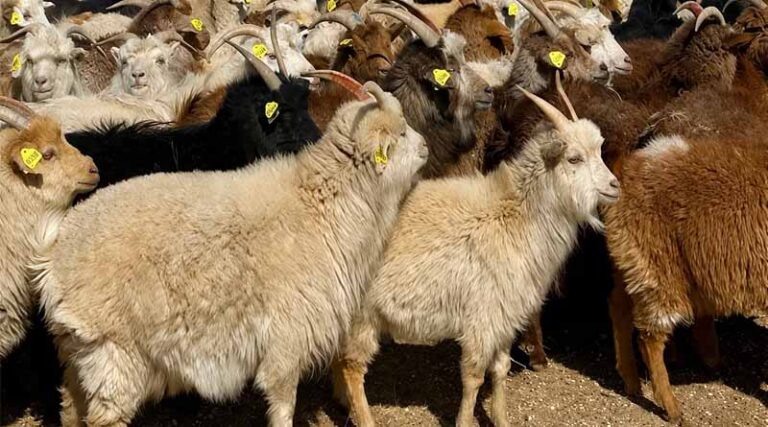
This year, Mongolia took a major step towards building a more climate-resilient livestock sector with the launch of a new initiative that integrates low-methane genetic improvement into cashmere goat and Orkhon sheep production systems.
Led by ICARDA, in partnership with the Research Institute of Animal Husbandry (RIAH) and funded and facilitated by the Global Methane Hub, the initiative aims to reduce greenhouse gas emissions from livestock while improving productivity, resilience, and livelihoods for herding communities.
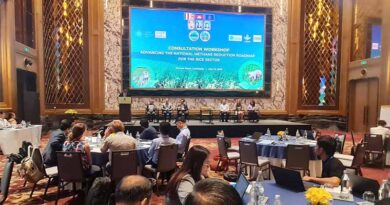
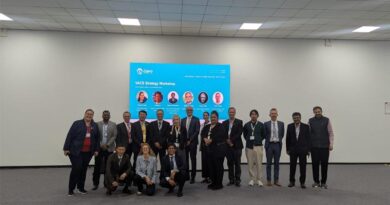
The initiative was officially launched during a national workshop in Ulaanbaatar, bringing together ICARDA with representatives from the Ministry of Food, Agriculture and Light Industry, RIAH, the Mongolian University of Life Sciences, the Food and Agriculture Organization of the United Nations (FAO), other development partners, and herder cooperatives.
Driving Innovation Through Community-Based Breeding
The project focuses on integrating low-methane emission traits into Community-Based Breeding Programs (CBBPs) for cashmere goats and wool sheep. By combining genetic improvement with enhanced productivity, feed efficiency, and climate resilience, the initiative aims to deliver sustainable and cumulative reductions in livestock emissions while strengthening herders’ livelihoods.
“This initiative marks an important milestone in Mongolia’s transition toward climate-smart livestock systems. By combining genetic innovation with community-based approaches, we are creating sustainable solutions that benefit both herders and the environment,” said Dr. Myagmarsuren Purevdorj, Head of Animal Breeding and Genetics, RIAH
The workshop provided a platform for technical exchange and alignment across institutions. Presentations covered national breeding strategies, methane measurement methodologies, and implementation frameworks for Community-Based Breeding Programs.
Strong Partnerships and Technical Collaboration
A key contribution from FAO is its role as both a technical partner and an implementing agency for sheep- and goat-CBBPs in Mongolia. This engagement builds on joint ICARDA–FAO recommendations developed during a field mission in 2025. FAO also expressed a strong interest in supporting the deployment of the DTREO platform to strengthen data systems, advisory services, and program scalability.
The workshop resulted in a structured three-year implementation roadmap. Key priorities for the first year include:
Standardizing performance recording systems
Establishing individual animal cashmere and wool data records
Introducing methane measurement and recording protocols
Harmonizing data collection and management procedures
Early Results from the Field
In March 2026, a technical field mission at the “Surgiin Khishig” Herders’ Community in Bayan-Ovoo soum, Bayankhongor Province, demonstrated strong early progress, including:
Active engagement of herder cooperatives
Selection and tagging of 600 breeding female goats as a CBBP nucleus
Ongoing performance data collection
Field observations during the kidding season
These developments highlight strong local ownership and readiness to scale climate-smart breeding practices across participating communities.
Building on successful experiences in Ethiopia and Tunisia, the collaboration with RIAH in Mongolia demonstrates that CBBPs can be an effective platform for integrating methane-related traits into livestock breeding strategies. By delivering permanent and cumulative emissions reductions while improving productivity, Mongolia is positioning itself as a regional leader in low-emission, climate-resilient small ruminant production systems, offering valuable lessons for other countries seeking sustainable pathways for livestock development.
Global Agriculture is an independent international media platform covering agri-business, policy, technology, and sustainability. For editorial collaborations, thought leadership, and strategic communications, write to pr@global-agriculture.com