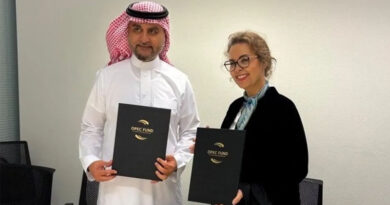
23 July 2026, Singapore: New Zealand will contribute NZ$3.39 million to build climate-resilient, high-productivity, and low-emissions agriculture across the highly climate-vulnerable Asian mega deltas, Foreign Minister Winston Peters announced today at the ASEAN Post Ministerial Conferences (PMC) +1 Sessions.
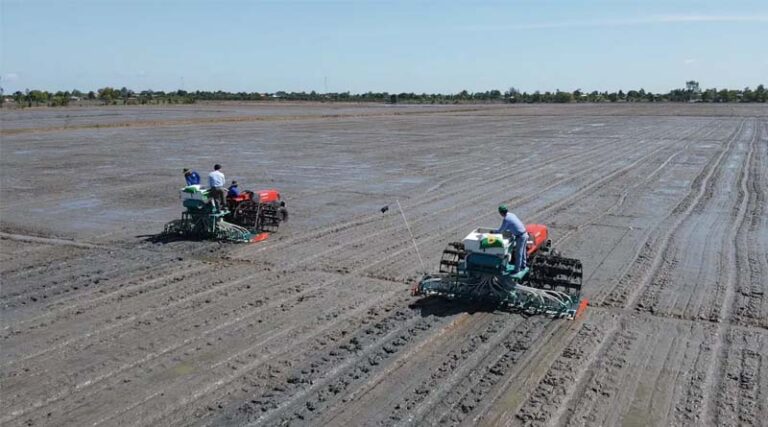
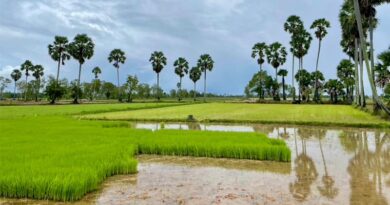
Building on the progress of the Asian Mega-Deltas (AMD) initiative’s first phase (2022–2025), this 12-month extension maintains critical momentum for scaling operations. This additional contribution to the CGIAR initiative on AMD will support economic development and food security across the Mekong (Cambodia and Viet Nam), Irrawaddy (Myanmar), and Ganges-Brahmaputra-Meghna (Bangladesh and India) mega deltas. The funding aims to strengthen the long-term resilience and productivity of vital rice, horticulture, and aquaculture systems in these regions.
Over the coming year, this funding enables CGIAR to continue empowering smallholder farmers by ensuring 350,000 agricultural workers across the partner countries receive timely predictions and advice to manage weather risks and implement critical on-farm adaptation practices. Additionally, it will inform policy and planning by supporting participating governments in utilizing climate-risk maps for land-use planning, as well as leveraging advanced analysis for food systems policies and nutrition education. Finally, the investment will scale innovations regionally, accelerating the deployment of climate-smart agriculture innovations through national farmer extension systems, NGOs, the private sector, and community groups, while simultaneously fostering robust regional knowledge sharing.
According to Dr. Bjoern Ole Sander, scientist at the International Rice Research Institute and lead of the AMD initiative, this milestone builds directly on AMD’s foundation from 2022 to 2025. Dr. Sander emphasized that the core mission of AMD remains “to create resilient, inclusive, and productive deltas by removing systemic barriers to the scaling of transformative technologies and practices at community, national, and regional levels.”
Detailing this new phase, Dr. Sander stressed that regional focus areas across Vietnam, Cambodia, Bangladesh, India, and Myanmar center heavily on scaling diversified production, nutritional food networks, and digital climate advisory systems. These efforts are further supported by localized initiatives targeted at strengthening governance, inclusion, planning, and institutional investments.
AMD’s team includes scientists and experts from seven CGIAR centers and actively engages various international and national research partners.
Global Agriculture is an independent international media platform covering agri-business, policy, technology, and sustainability. For editorial collaborations, thought leadership, and strategic communications, write to pr@global-agriculture.com