Indorama Secures $358 Million to Double China Urea Capacity
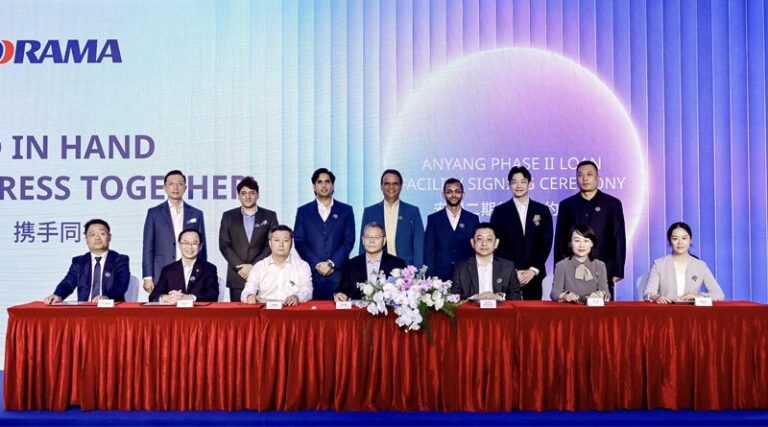
28 September 2026, Anyang, China: Anyang Indorama Gases, part of the Indorama Corporation group, has secured RMB 2.4 billion, approximately 358 million US dollars, in long-term financing to fund a major expansion of its urea fertilizer production capacity in Henan province, China. The financing, confirmed in a joint announcement dated September 22, will fund a brownfield expansion, meaning new production capacity built onto an existing industrial site rather than an entirely new plant, that is planned to roughly double the site’s urea output to about 2 million tonnes per year by 2029.
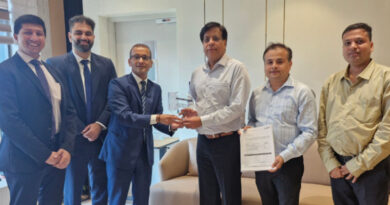
The loan facility was arranged by a consortium of five banks: OCBC Bank as coordinator and facility agent, Bank of China, Bank of Communications, Bangkok Bank’s China unit, and China CITIC Bank, with Sumitomo Mitsui Banking Corporation’s China arm acting as security agent. Executives from both Indorama and the participating banks framed the deal as a sign of confidence in continued long-term demand for nitrogen fertilizer in China and in Indorama’s operating track record in the country. Amit Lohia, Group Vice Chairman of Indorama Corporation, called the financing an important milestone in the company’s global growth strategy, while several of the bank executives quoted in the announcement pointed to years-long existing banking relationships with the group as a factor in structuring the deal.
Why a China urea expansion matters globally
China is both the world’s largest producer and largest consumer of urea, the most widely used nitrogen fertilizer globally, and Chinese domestic supply and export policy decisions have an outsized effect on global fertilizer prices. When Chinese urea output is ample, Beijing has historically allowed exports to flow, helping to keep global prices in check for importing countries; when domestic supply tightens, China has at times restricted exports to protect its own farmers, sending ripples through global fertilizer markets, including India’s, which relies heavily on imported urea and DAP to meet the gap between domestic production and the roughly 30 million tonnes of urea Indian farmers use annually. A capacity expansion of this scale by a major private producer operating in China, even one focused primarily on domestic supply, adds to the pool of production capacity that can eventually influence how much surplus material is available for export in years when Chinese demand softens.
The Henan expansion also reflects a broader trend in the global nitrogen fertilizer industry, where established players are investing in existing brownfield sites rather than building new greenfield plants, a strategy that typically allows faster project completion and lower capital costs per tonne of new capacity because existing infrastructure such as utilities, logistics, and permits are already in place. Indorama has pursued a similar brownfield-first strategy at other fertilizer and chemical sites in its global portfolio.
Live Newsroom
Also Read: New US Tariffs on Chinese Drones Raise Costs for Spray-Drone Farmers
Global Agriculture is an independent international media platform covering agri-business, policy, technology, and sustainability. For editorial collaborations, thought leadership, and strategic communications, write to pr@global-agriculture.com