17 November 2026, Islamabad, PK: Pakistan’s government has acknowledged a fertiliser shortfall of more than 200,000 tonnes against national demand, a gap officials attributed to gas supply disruptions tied to the Middle East conflict that forced two domestic urea plants to shut down temporarily.
The disclosure came during a Question Hour session in the National Assembly this past week, when Parliamentary Secretary for National Food Security and Research Shaista Khan told lawmakers that the conflict had affected the natural gas supplies that Pakistan’s urea manufacturers depend on as feedstock, leading to the temporary closure of two plants and shortage issues in the domestic market. She did not name the two plants or specify which regions had been most affected by the resulting shortage.
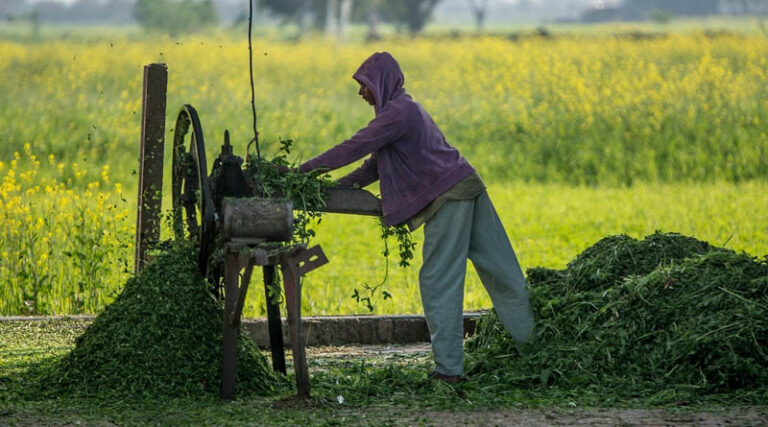
Khan said fertiliser prices have also risen because of the Middle East crisis, compounding pressure on farmers who are already contending with higher costs for seed, fuel and labour this season. She told the Assembly that the Ministry of National Food Security and Research continues to prioritise farmers’ needs and is launching new support measures, including easier access to farm loans, though she gave no details on the size or timing of that lending programme.
Import dependence leaves gap exposed
Roughly half of Pakistan’s fertiliser requirements are met through imports, leaving the country exposed to international supply disruptions during its peak demand periods. The disclosure comes as farmers across Punjab and Sindh are sowing wheat for the current Rabi season, when urea demand typically peaks ahead of the crop’s early growth and tillering stages. Pakistan’s wheat crop is the country’s single largest Rabi season crop and a staple that successive governments have treated as a food security priority, which has made fertiliser availability during the October-to-December sowing window a recurring point of parliamentary scrutiny in recent years.
Khan’s remarks did not quantify the shortfall by nutrient type or specify whether the 200,000-tonne gap applies to urea, diammonium phosphate, or fertiliser supplies overall. She told the Assembly that the shortage is adding to the difficulties farmers face as they contend with rising cultivation costs more broadly this season, without elaborating on how the government plans to close the gap before peak sowing demand passes.
Pakistan has in past seasons turned to imports to close shortfalls that emerged during Rabi sowing, when domestic urea production has periodically fallen short of demand because of natural gas curtailment to the fertiliser sector, plant maintenance shutdowns, or higher-than-expected offtake by farmers responding to favourable crop prices. The Ministry of National Food Security and Research has not yet announced a specific import tonnage or timeline in response to the shortfall disclosed this week, and Khan’s statement to the Assembly did not address whether new imports are being arranged to cover the gap before the end of the sowing window.
The disclosure follows months of warnings from industry and government sources about the risk of a seasonal fertiliser squeeze tied to supply-side pressures stemming from the wider Middle East conflict, which has periodically disrupted shipping and gas flows relied upon by fertiliser producers across the region. Pakistan’s domestic urea industry runs almost entirely on natural gas as feedstock, which is why disruptions to gas supply, rather than a shortage of raw ingredients imported from abroad, can still take plants offline and ripple through to farmers within weeks.
Khan’s disclosure places fertiliser availability back at the center of a debate that recurs most years around Rabi sowing, when demand for urea is at its highest and any supply disruption has the least time to be absorbed before farmers need to apply nutrients to newly sown wheat. Opposition lawmakers in the National Assembly have previously pressed the ministry on fertiliser availability and pricing during past Rabi seasons, and this week’s exchange adds the current shortfall to that recurring line of questioning, with Khan’s answer leaving open how quickly the two closed urea plants might resume production or whether new imports will be arranged to offset their lost output before the sowing window closes.
Global Agriculture is an independent international media platform covering agri-business, policy, technology, and sustainability. For editorial collaborations, thought leadership, and strategic communications, write to pr@global-agriculture.com