India’s Per Hectare Pesticide Use Far Below Global Levels; CropLife India Urges Evidence-Based Debate
17 March 2026, New Delhi: Amid rising public discourse on food safety, environmental concerns, and pesticide residues, CropLife India has released a detailed myth-versus-fact explainer aimed at promoting a more evidence-based understanding of crop protection in India. The industry body cautioned that while concerns around misuse of pesticides are valid, widespread misinformation risks overshadowing the realities faced by farmers in protecting crops from pests and diseases.
Agriculture remains central to India’s economy and rural livelihoods, supporting over 93 million households and nearly 150 million farmers. The sector employs around 46 percent of the country’s workforce and contributes approximately 16–18 percent to the national GDP. However, pest and disease pressures continue to pose a significant threat, with government estimates indicating annual crop losses of 10–35 percent, rising further during severe outbreaks.
Despite these challenges, India’s pesticide consumption remains among the lowest globally on a per-hectare basis. Farmers typically use 0.3–0.6 kg per hectare, compared to 2–4 kg in several European nations, about 13 kg in China, and over 10 kg in parts of East Asia. CropLife India emphasised that these figures are often overlooked in public discussions around pesticide use.
The association, which represents research-driven crop science companies, underscored the need for balanced dialogue that acknowledges both the importance of crop protection tools and the role of responsible usage, farmer awareness, and strong regulatory systems.
Durgesh Chandra, Secretary General of CropLife India, stated that the objective of the explainer is to encourage fact-based discussions. He highlighted that crop protection products play a vital role in safeguarding yields while ensuring food security, adding that the industry remains committed to stewardship, safe usage, and compliance with India’s stringent regulatory framework.
CropLife India also pointed out that common perceptions—such as pesticides being overused or inadequately regulated—do not fully reflect India’s structured system for product evaluation and approval. The explainer draws upon scientific data and regulatory insights to clarify concerns related to safety, environmental impact, residue management, and approval processes.
The organisation further stressed that strengthening farmer training, promoting best practices, and maintaining regulatory vigilance are critical for ensuring safe and effective pesticide use. It reiterated its commitment to supporting farmers and contributing to sustainable agriculture in India.
Pesticide Myths vs Reality — FAQ
Q1. “Pesticides cause cancer.” Is this true?
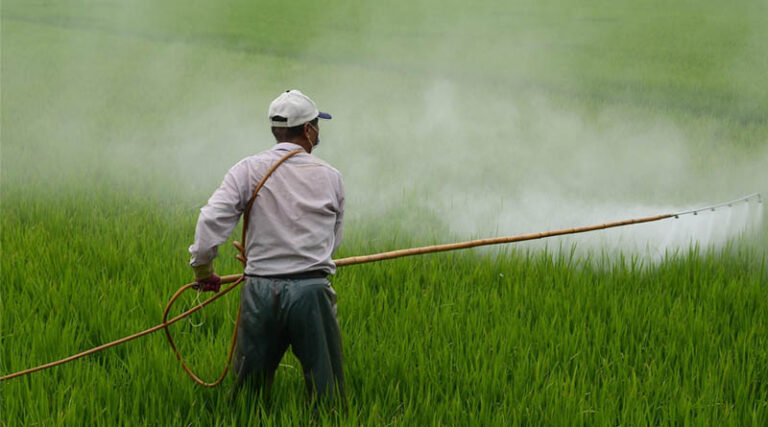
Answer: Pesticides used in India undergo government safety checks before approval. The Central Insecticides Board and Registration Committee (CIB&RC) evaluates health risks, environmental impact, and food residues. Regulators have found no evidence of increased cancer risk for consumers when pesticides are used according to approved label instructions and regulated safety limits. Farmers and applicators must follow label instructions, use protective equipment, and receive proper training to significantly reduce exposure risks.
Q2. “Pesticides never die.” Is this accurate?
Answer: Many modern pesticides are designed to break down relatively quickly in soil and water. Their behaviour depends on the product, soil conditions, and weather. Labels specify the correct dosage and waiting periods before harvest.
Q3. “All pesticides are pure poison.” Is this correct?
Answer: Toxicity varies widely between products. Each pesticide is tested separately and placed into safety categories. Labels clearly explain safe dosage, handling instructions, and waiting periods.
Q4. “Organic farming means chemical-free.” Is that true?
Answer: Organic farming also uses certain approved pesticides, including natural products such as neem extracts and pyrethrum. Both natural and synthetic pesticides must meet safety standards before approval.
Q5. “Pesticides kill beneficial insects.” Is this always the case?
Answer: Farmers increasingly use Integrated Pest Management (IPM), which combines biological controls, monitoring, and targeted pesticide use. When applied correctly and at recommended timings, many crop protection products are designed to minimise impact on pollinators and beneficial insects.
Q6. “Food residues mean danger.” Should consumers be worried?
Answer: India’s food regulator sets Maximum Residue Limits (MRLs) for pesticides in food. Government monitoring between 2022 and 2025 tested more than 86,000 food samples, and about 97% complied with these limits. Washing, peeling, and cooking can further reduce residues.
Q7. “Groundwater is doomed.” Is contamination inevitable?
Answer: Environmental impact depends largely on how pesticides are used. Many products bind strongly to soil, limiting movement into groundwater. Problems usually arise from overuse or incorrect application.
Q8. “Pesticide-free farming.” Is it viable at scale?
Answer: Without crop protection tools, pest outbreaks can cause 30–50% yield losses, affecting farmer incomes and food availability, in turn impacting India’s food security.
Q9. “Farmers are poisoned by pesticides.” Is this generally true?
Answer: Safe use practices are essential. Protective equipment, proper training, and adherence to label instructions help significantly reduce exposure risks for farmers and applicators.
Q10. “The industry hides the truth.” Is this claim valid?
Answer: Registration of pesticides requires companies to submit detailed studies on health effects, environmental impact, and food residues. Regulators review this information before approving products for use.
Also Read: India Could Face Sulphur Shortage if Gulf Supply Disruptions Continue, Fertiliser Sector on Alert
Global Agriculture is an independent international media platform covering agri-business, policy, technology, and sustainability. For editorial collaborations, thought leadership, and strategic communications, write to pr@global-agriculture.com