US Farmer Rejects $26 Million AI Data Centre Deal
30 March 2026, Kentucky: A farming family in northern Kentucky has turned down a multi-million-dollar offer from a major corporation seeking land for an artificial intelligence (AI)-linked data centre, underscoring a growing debate between digital infrastructure expansion and the preservation of agricultural land in the United States.
Generational farmland at the centre of the debate
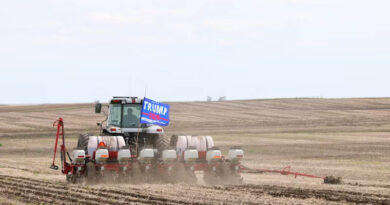
The Huddleston family, custodians of a 1,200-acre farm in Mason County, Kentucky, have chosen not to proceed with a proposed sale of a large portion of their land. The farm, which has supported cattle production for decades, has remained in the family across multiple generations and historical periods.
According to family representatives, an approach was made in April last year by a large company interested in acquiring approximately 900 acres near the outskirts of Maysville. The proposed investment, estimated at $26 million, was linked to plans for a large-scale data centre campus.
However, the family has stated that the land holds long-term cultural, agricultural, and personal significance that outweighs financial considerations. They have expressed a clear intention to retain ownership and continue farming activities, with a focus on passing the land to future generations.
Economic potential of the proposed project
Local authorities have indicated that the broader project could involve rezoning multiple properties across more than 2,000 acres. Officials note that such a development could bring substantial economic activity to the region, including job creation during both construction and operational phases.
Estimates suggest the project could generate over 1,000 construction jobs over several years, along with more than 100 permanent positions with relatively high annual salaries. In addition, infrastructure investments—particularly in energy—would be required, with developers expected to bear associated costs under state regulations.
The proposed facility is also expected to incorporate systems designed to minimise environmental impact, including water recycling mechanisms and controlled waste management processes.
Concerns over agricultural sustainability and resources
Despite the projected economic benefits, the Huddleston family has raised concerns regarding the long-term implications of converting productive farmland into industrial use. Key issues include potential pressure on local water resources, increased energy demand, and the irreversible loss of agricultural land.
The situation reflects a broader trend across parts of the United States, where rising demand for data centres, driven by AI and cloud computing growth is intensifying competition for land traditionally used for farming.
Local officials have acknowledged these concerns while emphasising that land value and economic utility could remain strong even if land use changes in the future.
A broader question of land value
For the Huddleston family, the decision ultimately reflects a long-term perspective on land stewardship rather than immediate financial return. They have indicated that maintaining the farm’s legacy and agricultural function remains their priority.
As similar proposals emerge in other regions, this case illustrates the complex balance between technological expansion and the preservation of agricultural ecosystems, an issue likely to gain further attention as global demand for data infrastructure continues to rise.
Also Read: MIT-WPU Researchers Develop AI Models to Boost Oil Recovery Amid Global Energy Volatility
Global Agriculture is an independent international media platform covering agri-business, policy, technology, and sustainability. For editorial collaborations, thought leadership, and strategic communications, write to pr@global-agriculture.com