21 November 2026, Toronto, CA: The share of US college and university students who have ever taken creatine supplements climbed from 7.7% to 13.5% between the 2020-2021 and 2024-2025 academic years, according to a new analysis led by the University of Toronto. The rise, roughly 75% in relative terms, makes creatine the fastest-growing of the five product groups the researchers tracked, while use of anabolic steroids stayed rare throughout the period.
The study, published on November 18 in the journal Performance Enhancement & Health, drew on five annual waves of the Healthy Minds Study, a large national survey of students at US colleges and universities. The research team examined responses from 39,986 students aged 18 to 30 and tracked lifetime use of five categories of what researchers call appearance- and performance-enhancing drugs and substances: protein supplements, creatine supplements, anabolic-androgenic steroids (synthetic versions of the hormone testosterone), other synthetic muscle enhancers, and diuretics, also known as water pills.
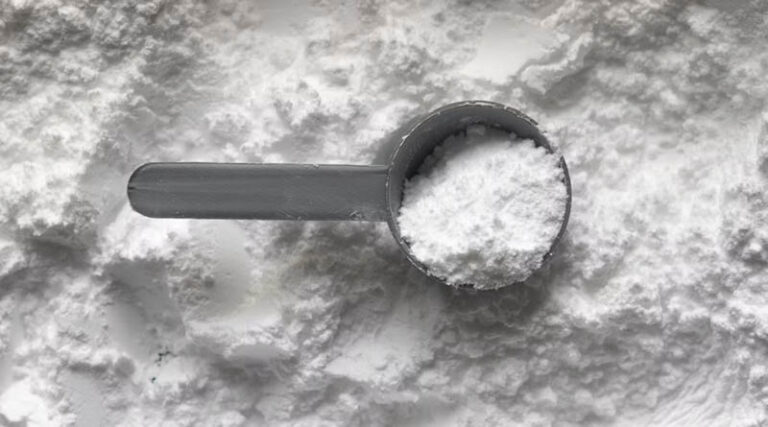
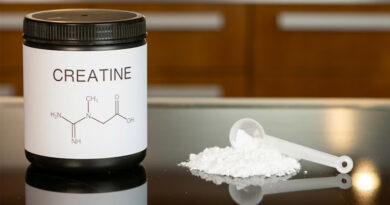
Creatine is a compound the body makes naturally and stores mainly in muscle, where it helps supply energy for short bursts of intense effort. It is also present in foods such as meat and fish, and is sold as a powder or capsule supplement, most commonly in the form known as creatine monohydrate. The supplement has long been popular with strength athletes and has more recently been marketed to a much wider audience.
Protein supplements remained the most widely used product in the survey, but their growth was slower. Lifetime use rose from 23.8% to 28.0% over the same period, a relative increase of about 18%. Anabolic-androgenic steroids and other synthetic muscle enhancers stayed below 0.5% in every survey year. Nearly three-quarters of participants (73.2%) said they had never used any of the five substance groups, while about one in four reported using at least one.
The data show a sharp gender divide. After the researchers adjusted for sociodemographic factors, cisgender men were more than four times as likely as cisgender women to report ever using creatine, and about 1.6 times as likely to report using protein supplements. The university’s release did not give separate percentages for men and women.
Participation in sport was another strong marker. Students who took part in intramural, club or varsity athletics reported significantly higher use of both protein and creatine than students who did not play organized sport. Student-athletes also reported higher use of anabolic-androgenic steroids than non-athletes, although the release did not publish the figures behind that finding.
Because the Healthy Minds Study is a repeated cross-sectional survey, the analysis describes how reported behaviour changed across different groups of students over time. It does not follow the same individuals, and it cannot show why use increased or whether the products affected students’ health or performance. The measure is lifetime use, so a student who tried creatine once counts the same as a regular user. The release did not state a funding source for the work.
Lead author Kyle T. Ganson, an associate professor at the University of Toronto’s Factor-Inwentash Faculty of Social Work, said the results suggest these products are becoming “a more prominent behavior among college students.” He pointed to social media as a possible factor, saying online content may be normalizing supplement use as part of everyday fitness routines. The research team also raised concern about use driven by body dissatisfaction or unrealistic expectations about physical appearance, a theme Ganson’s group has explored in earlier work linking fitness content on social media to supplement use among young people.
A growing market built on everyday ingredients
The findings come as creatine is marketed well beyond competitive sport. Protein supplements, the larger category in the study, are built largely on ingredients from the dairy and crop sectors, including whey from cheese-making and protein isolated from soy and peas, which links rising demand among young adults directly to agricultural supply chains.
The research does not assess whether the creatine products students used were safe or effective, and it does not offer guidance on whether young adults should take them. In the US, dietary supplements do not need regulatory approval for safety or effectiveness before they are sold.
The study covers students aged 18 to 30 at US institutions only. The Healthy Minds Study collects data from participating campuses each year, and the team’s analysis spans the five survey years from 2020 to 2025.
Global Agriculture is an independent international media platform covering agri-business, policy, technology, and sustainability. For editorial collaborations, thought leadership, and strategic communications, write to pr@global-agriculture.com