FAO Forecasts 2% Drop in World Cereal Output for 2026/27
06 June 2026, Rome: The Food and Agriculture Organization of the United Nations (FAO) has projected a decline in global cereal production for the 2026/27 season, signalling growing concerns over food security, weather-related risks, and rising agricultural input costs despite stable global food commodity prices.
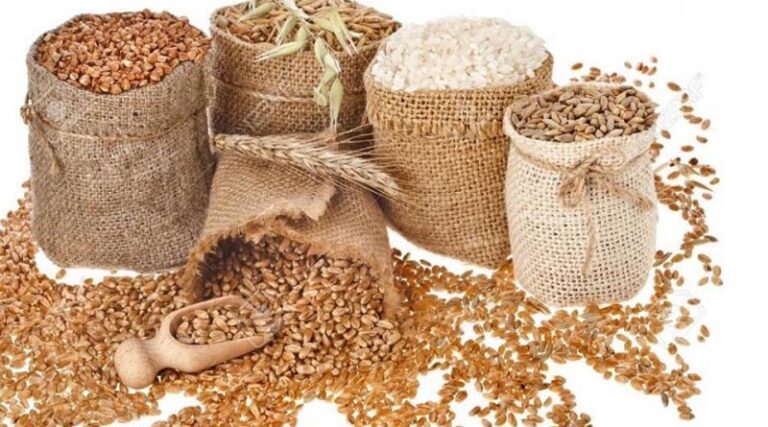
According to FAO’s latest Cereal Supply and Demand Brief, world cereal production is forecast to fall by 2 percent year-on-year to 2.982 billion tonnes in 2026/27, primarily due to expected lower wheat harvests in major producing countries. The projected decline comes after a record-breaking 2025/26 season, when global cereal production reached 3.043 billion tonnes, supported by favourable growing conditions and strong harvests.
FAO noted that wheat production is expected to bear the brunt of the decline, with adverse weather conditions affecting crop prospects in several key exporting nations. In the United States, winter wheat crop conditions are among the least favourable seen in decades, contributing to a tightening global supply outlook. Rising fuel and fertilizer costs are further adding pressure on cereal markets.
Despite the expected production decline, global cereal utilization is forecast to increase by 0.6 percent during the 2026/27 marketing season, reflecting continued demand for food, feed, and industrial uses. As a result, world cereal stocks are expected to contract slightly by 0.3 percent, largely because of lower projected rice inventories. However, the global cereal stock-to-use ratio is anticipated to remain relatively comfortable at 31.7 percent, suggesting that overall supplies remain adequate for now.
FAO also expects global cereal trade to weaken in the coming year. After expanding by 4.8 percent in 2025/26, international cereal trade is projected to decline by 0.3 percent to 507.2 million tonnes in 2026/27. Reduced wheat and barley shipments are expected to outweigh gains in maize and rice trade volumes.
The organization released the forecast alongside its latest FAO Food Price Index, which showed that global food commodity prices remained broadly stable in May 2026. The index averaged 130.8 points, down marginally by 0.2 percent from April but still 2.9 percent higher than a year earlier.
However, cereal prices continued to climb. The FAO Cereal Price Index rose by 2.6 percent month-on-month and was nearly 5 percent higher than in May 2025. Wheat prices increased by 3.4 percent from April and were 7.8 percent above year-earlier levels, supported by concerns over declining harvest prospects and rising production costs. Maize prices also strengthened due to tighter supplies in Brazil and the United States, stronger import demand, and firmer energy markets. Rice prices rose as weather concerns and higher energy costs supported quotations across major Asian exporting countries.
Beyond cereals, FAO reported mixed trends across other major food commodity groups. The FAO Vegetable Oil Price Index declined by 4.6 percent in May, marking its first monthly drop of 2026. International palm oil prices fell amid expectations of weaker global import demand and uncertainty in crude oil markets. Soyoil prices showed mixed movements, with increased export supplies from South America weighing on prices, while strong biofuel demand in North America provided support. In contrast, rapeseed and sunflower oil prices increased due to tight global supplies.
The FAO Meat Price Index edged up by 0.1 percent from April. Higher bovine meat prices, supported by strong import demand from China and the United States, offset declines in pig meat prices, which were pressured by abundant supplies in the European Union and subdued international demand.
The FAO Dairy Price Index declined by 0.5 percent month-on-month, largely due to lower international butter prices. Cheese prices remained broadly stable, while skim milk powder prices increased. Whole milk powder markets recorded mixed price movements across major exporting regions.
Meanwhile, the FAO Sugar Price Index surged by 7.5 percent in May. The increase was driven by expectations that a smaller share of Brazil’s sugarcane crop would be allocated to sugar production, with more cane likely diverted to ethanol. Concerns over the potential impact of El Niño conditions on sugar production in India and Thailand also contributed to the upward price movement.
Commenting on the market outlook, Boubaker Ben-Belhassen, Director of FAO’s Markets and Trade Division, said that while global food commodity markets have remained resilient, rising cereal prices highlight vulnerabilities linked to weather disruptions, higher energy costs, and fertilizer market uncertainties. He cautioned that continued tensions affecting major trade routes, including the Strait of Hormuz, could further increase input costs and place additional pressure on food production and prices worldwide.
Also Read: India Approves Two Rice Varieties To Secure Yields In Direct-seeded Rice Farming
Global Agriculture is an independent international media platform covering agri-business, policy, technology, and sustainability. For editorial collaborations, thought leadership, and strategic communications, write