Vulnerable Asia-Pacific Nations Push for Faster Agrifood Transformation at FAO Ministerial Meeting
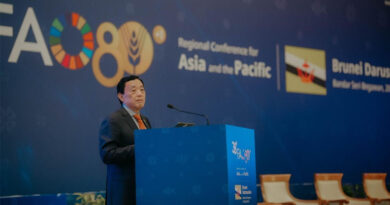
22 April 2026, Brunei Darussalam: Ministers and senior officials from across Asia and the Pacific gathered at a special high-level meeting during the 38th Session of the Food and Agriculture Organization of the United Nations Regional Conference to address the growing agrifood challenges faced by some of the region’s most vulnerable countries.
Held in Bandar Seri Begawan and hosted by Brunei Darussalam, the meeting focused on accelerating agrifood system transformation in Small Island Developing States (SIDS), Least Developed Countries (LDCs), and Landlocked Developing Countries (LLDCs), many of which remain structurally disadvantaged in their path toward food security and agricultural development.
Opening the session, QU Dongyu, Director-General of FAO, said these nations continue to face persistent vulnerabilities including geographic isolation, rising transport costs, climate shocks, fragile ecosystems, limited public finances, and heavy dependence on food imports. These pressures have intensified amid increasing climate variability, supply chain disruptions, and changing global trade patterns.
Despite these obstacles, Qu said there is reason for optimism, noting that countries across the region are adopting innovative solutions to modernize agriculture, improve resilience, and create more inclusive rural economies.
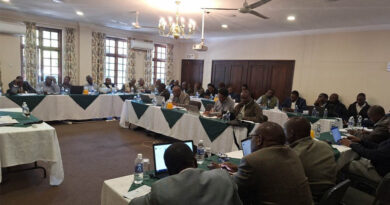
The ministerial event was designed to encourage the exchange of ideas on how vulnerable countries can advance their agrifood goals through stronger policies, new financing models, innovation, and partnerships. Discussions are also expected to help shape FAO’s future support priorities, including analytics, investment planning, capacity building, and technical cooperation.
Countries Share Practical Solutions
Two ministerial panels were held during the event. The first focused on agrifood systems transformation, while the second examined how finance and partnerships can help scale impact.
Ministers from Bhutan, Laos, Papua New Guinea, and Tonga shared national experiences, highlighting sustainability, governance reforms, livestock development, and responses to climate and economic shocks.
Senior officials from Cambodia, Mongolia, and Tuvalu discussed investment readiness, strengthening value chains, improving market access, and building climate resilience through strategic partnerships.
FAO Initiatives Gain Momentum
Delegates highlighted several FAO programmes that are already supporting progress across the region, including Hand-in-Hand, One Country One Priority Product, Blue Transformation, and Digital Villages.
Attention was also given to the Pacific SIDS Investment Proposal, which aims to turn country-led priorities into bankable projects. The initiative will be presented at the 2026 SIDS Solution Forum in the Solomon Islands next month.
New Framework and Regional Cooperation
Insights from the discussions will contribute to FAO’s next five-year Multi-Country Programming Framework for the Pacific Islands, covering 14 countries.
Ministers also reviewed a proposal to establish an informal ministerial network for the region’s landlocked developing countries: Afghanistan, Bhutan, Lao People’s Democratic Republic, Mongolia, and Nepal.
Asia and the Pacific currently account for nine LDCs, 17 SIDS, and four LLDCs, underlining the scale and diversity of development challenges across the region.
Also Read: Atomgrid Opens Bengaluru R&D Centre for Agrochemicals
Global Agriculture is an independent international media platform covering agri-business, policy, technology, and sustainability. For editorial collaborations, thought leadership, and strategic communications, write to pr@global-agriculture.com