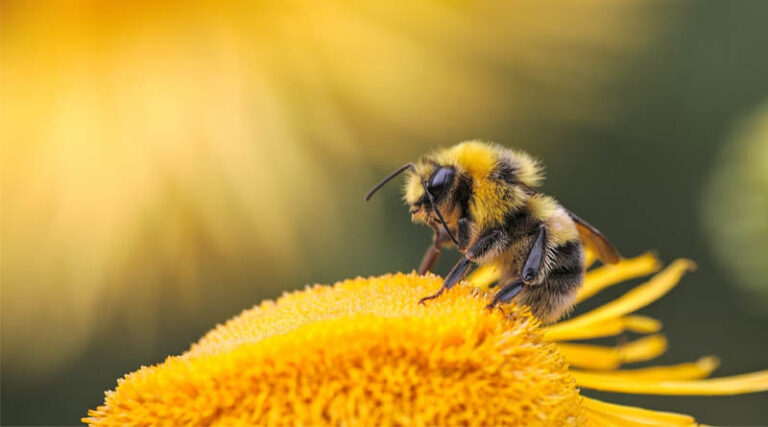
16 May 2026, London: Every year on 20 May, the world observes World Bee Day to recognize the role of bees and other pollinators in agriculture, food production, biodiversity, and environmental sustainability. The observance has become an important platform for governments, researchers, farmers, beekeepers, and environmental organizations to discuss the growing threats to pollinators and the steps needed to protect them.
The day was officially declared by the United Nations following a proposal led by the Government of Slovenia with support from Apimondia. World Bee Day has been celebrated globally since 2018.
Why 20 May Was Chosen
The date marks the birth anniversary of Anton Janša, who is widely regarded as one of the pioneers of modern beekeeping. Born in Slovenia, Janša came from a family with a strong beekeeping tradition and contributed significantly to modern apiculture practices. Slovenia itself is known for its long history of beekeeping and its focus on protecting native bee species and pollinator habitats.
Why Bees Are Important
Bees and other pollinators play a central role in global agriculture. A large share of the world’s crops depends either fully or partially on pollination. Fruits, vegetables, oilseeds, pulses, nuts, and several commercial crops rely on pollinators for improved yield and quality. Beyond crop production, pollinators also help maintain biodiversity by supporting flowering plants and natural ecosystems.
In agriculture, pollination contributes not only to higher productivity but also to improved seed quality and crop uniformity. Crops such as apples, almonds, sunflower, mustard, berries, coffee, and several vegetable crops benefit significantly from bee activity.
Beekeeping also supports rural livelihoods. Across many countries, including India, small and marginal farmers generate additional income through honey production, wax, royal jelly, pollen collection, and pollination services.
Concerns Over Declining Pollinator Populations
Despite their importance, bee populations and other pollinators are declining in several parts of the world. Scientists and environmental groups have linked this decline to multiple factors including habitat loss, climate change, pesticide exposure, pests and diseases, monocropping, and reduction in flowering biodiversity.
Urbanization and changing land-use patterns have also reduced natural habitats for pollinators. Extreme weather events linked to climate change are affecting flowering cycles and disrupting pollination patterns in many regions.
The decline of pollinators is increasingly being viewed as a challenge not only for biodiversity conservation but also for long-term food security.
What Is Expected on World Bee Day 2026
World Bee Day 2026 is expected to focus on increasing awareness about pollinator conservation and encouraging practical action at both policy and community levels. Governments, universities, agricultural institutions, beekeeper associations, schools, and environmental organizations are likely to organize awareness campaigns, workshops, exhibitions, plantation drives, honey tasting events, and farmer training programmes.
Experts are expected to call for balanced pesticide use, pollinator-friendly farming systems, increased plantation of flowering species, and stronger support for scientific beekeeping practices.
There is also likely to be renewed discussion around integrating pollinator conservation into agricultural policies and climate adaptation strategies. Researchers and agriculture experts continue to emphasize that protecting pollinators is directly linked to improving crop resilience, maintaining ecosystem balance, and ensuring sustainable agricultural production.
Concerns Around Neonicotinoid Insecticides
One of the major concerns frequently discussed in relation to pollinator decline is the use of neonicotinoid insecticides. Neonicotinoids are a class of systemic insecticides widely used in agriculture to control sucking and chewing pests in crops such as cotton, maize, rice, oilseeds, fruits, and vegetables. Because these chemicals can spread through the entire plant system, traces may also be present in pollen and nectar collected by bees and other pollinators.
Several scientific studies conducted over the past decade have suggested that exposure to certain neonicotinoids may affect bee behaviour, navigation, reproduction, and colony health, particularly when pollinators are exposed over long periods. Concerns linked to pollinator safety have led some countries and regions, including the European Union, to impose restrictions on the outdoor use of specific neonicotinoid molecules.
At the same time, many agricultural experts point out that insecticides remain important tools for crop protection and pest management, especially in regions facing severe pest outbreaks. As a result, researchers and policymakers continue to debate how to balance crop protection needs with pollinator conservation. Increasingly, experts are advocating for integrated pest management (IPM), targeted spraying practices, proper application timing, and the use of safer alternatives to reduce risks to bees and other beneficial insects.
Role of Farmers and Communities
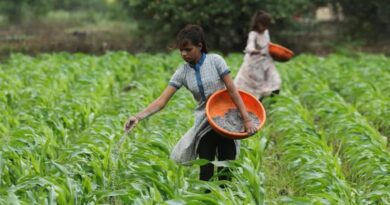
Farmers and local communities can play a major role in protecting pollinators by adopting pollinator-friendly practices. These include reducing indiscriminate pesticide spraying, planting flowering borders around fields, conserving natural vegetation, and encouraging integrated pest management practices.
Beekeeping itself is increasingly being promoted as a sustainable rural enterprise because it requires relatively low investment and can complement existing farming systems.
As the world observes World Bee Day 2026, the message remains clear: protecting bees and pollinators is essential for agriculture, biodiversity, nutrition, and the long-term sustainability of food systems worldwide.
Global Agriculture is an independent international media platform covering agri-business, policy, technology, and sustainability. For editorial collaborations, thought leadership, and strategic communications, write to pr@global-agriculture.com