India’s Summer Crop Sowing Rises to 86.02 Lakh Hectares; Pulses, Maize and Groundnut Lead Growth
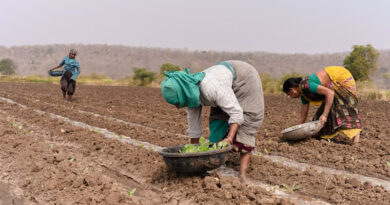
27 May 2026, New Delhi: India’s summer crop sowing has recorded a steady increase during the 2026 season, with the total cultivated area reaching 86.02 lakh hectares as on May 22, compared to 83.50 lakh hectares during the corresponding period last year. The increase of 2.52 lakh hectares reflects higher acreage under pulses, coarse cereals and oilseeds, according to the latest sowing data released by the Ministry of Agriculture and Farmers Welfare.
Among major crop groups, pulses registered positive growth, with total acreage rising to 27.91 lakh hectares from 27.26 lakh hectares a year ago. Blackgram emerged as the key contributor, witnessing a sharp increase of 1.02 lakh hectares to touch 4.60 lakh hectares. However, greengram acreage declined marginally to 23.01 lakh hectares against 23.49 lakh hectares during the same period last year.
Shree Anna and coarse cereals also recorded strong expansion, with the total area increasing to 16.01 lakh hectares from 14.25 lakh hectares in 2025. Maize accounted for the largest share of the increase, with sowing rising by 1.50 lakh hectares to 10 lakh hectares. Bajra cultivation also improved to 5.40 lakh hectares compared to 5.20 lakh hectares last year.
Oilseed cultivation showed encouraging growth as farmers expanded acreage to 11.04 lakh hectares, up from 9.58 lakh hectares in the corresponding period of 2025. Groundnut remained the main driver in this category, with sowing increasing significantly to 5.51 lakh hectares from 4.20 lakh hectares last year. Sunflower and sesamum also recorded modest gains.
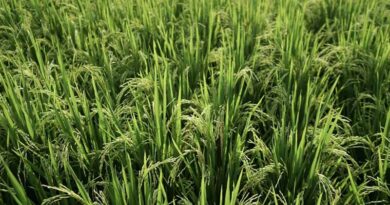
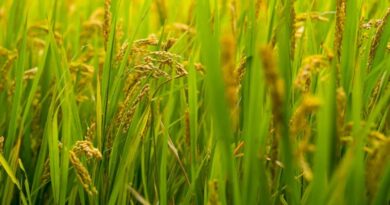
In contrast, rice acreage witnessed a slight decline. Summer rice sowing stood at 31.05 lakh hectares as on May 22, compared to 32.42 lakh hectares during the same period last year, reflecting a reduction of 1.36 lakh hectares.
The overall sowing pattern indicates growing farmer preference towards diversified cropping systems, particularly pulses, millets and oilseeds, amid changing market demand and improved awareness around climate-resilient crops. The trend also aligns with the government’s continued focus on promoting Shree Anna and boosting domestic production of pulses and edible oils.
| Sl. No. | Crops | Normal Summer Area* (Lakh Ha) | Final Summer Area 2025 | Current Year 2026 | Corresponding Period of Last Year (2025) | Increase/Decrease Over Last Year |
|---|---|---|---|---|---|---|
| 1 | Rice | 31.49 | 33.28 | 31.05 | 32.42 | -1.36 |
| 2 | Pulses | 23.40 | 27.07 | 27.91 | 27.26 | +0.65 |
| a | Greengram | 20.44 | 23.49 | 23.01 | 23.49 | -0.49 |
| b | Blackgram | 2.96 | 3.58 | 4.60 | 3.58 | +1.02 |
| c | Other Pulses | 0.00 | – | 0.30 | 0.19 | +0.11 |
| 3 | Shree Anna cum Coarse Cereals | 12.08 | 14.06 | 16.01 | 14.25 | +1.77 |
| a | Jowar | 0.34 | 0.36 | 0.37 | 0.36 | +0.01 |
| b | Bajra | 4.43 | 5.20 | 5.40 | 5.20 | +0.20 |
| c | Ragi | 0.31 | – | 0.22 | 0.16 | +0.06 |
| d | Small Millets | 0.02 | – | 0.03 | 0.03 | 0.00 |
| e | Maize | 6.98 | 8.50 | 10.00 | 8.50 | +1.50 |
| 4 | Oilseeds | 8.40 | 9.51 | 11.04 | 9.58 | +1.47 |
| a | Groundnut | 3.40 | 4.20 | 5.51 | 4.20 | +1.31 |
| b | Sunflower | 0.34 | 0.35 | 0.39 | 0.35 | +0.04 |
| c | Sesamum | 4.66 | 4.96 | 5.07 | 4.96 | +0.11 |
| d | Other Oilseeds | 0.00 | – | 0.07 | 0.06 | 0.00 |
| Total | 75.37 | 83.92 | 86.02 | 83.50 | +2.52 |
Also Read: China’s Fertilizer Trade Sees Strong Export Growth in Jan–April 2026, Potash Imports Remain Critical
Global Agriculture is an independent international media platform covering agri-business, policy, technology, and sustainability. For editorial collaborations, thought leadership, and strategic communications, write to pr@global-agriculture.com