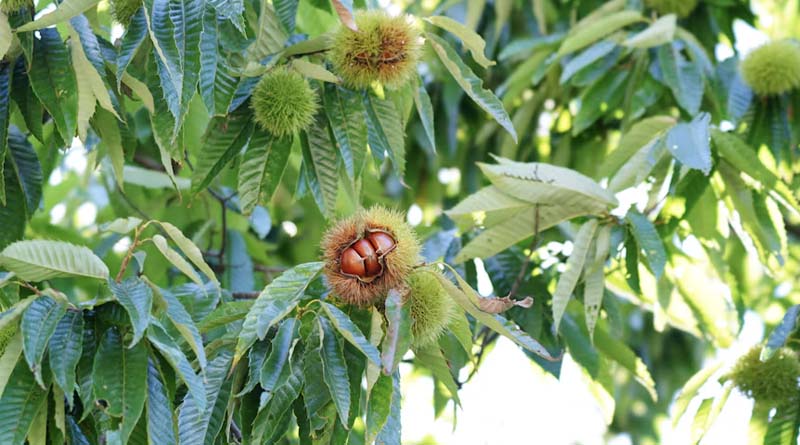
USDA Deregulates GM Blight-Resistant American Chestnut Tree
05 October 2026, New York: The U.S. Department of Agriculture has formally deregulated Darling 54, a genetically engineered American chestnut tree bred
Read More

Get the latest blight resistance news, research and developments covering crop protection, plant breeding, disease management and agricultural biotechnology. Blight diseases caused by fungal, oomycete and bacterial pathogens can damage crops, reduce yields and affect food quality. Developing resistant crop varieties is an important approach to managing these diseases and reducing production losses.
Research into disease resistance spans major crops such as potatoes, tomatoes, maize, wheat and chestnuts. Scientists are investigating resistance genes, conventional breeding, marker-assisted selection, genetic engineering and genome-editing technologies to improve plant defences against pathogens. Advances in molecular biology and pathogen surveillance are also helping researchers understand how diseases spread and how pathogens evolve to overcome existing resistance. Integrated disease management, including crop rotation, sanitation, resistant varieties and appropriate crop protection treatments, remains important for managing outbreaks and delaying the breakdown of resistance.
Find updates on blight-resistant crop varieties, breeding programmes, biotechnology research, field trials and regulatory developments. Coverage includes late blight in potatoes and tomatoes, chestnut blight research, emerging plant pathogens and developments in biological and chemical disease control. Research findings, commercial variety launches and collaboration between universities, public research institutions and agricultural companies provide insight into efforts to strengthen crop resilience and support sustainable production.
05 October 2026, New York: The U.S. Department of Agriculture has formally deregulated Darling 54, a genetically engineered American chestnut tree bred
Read More