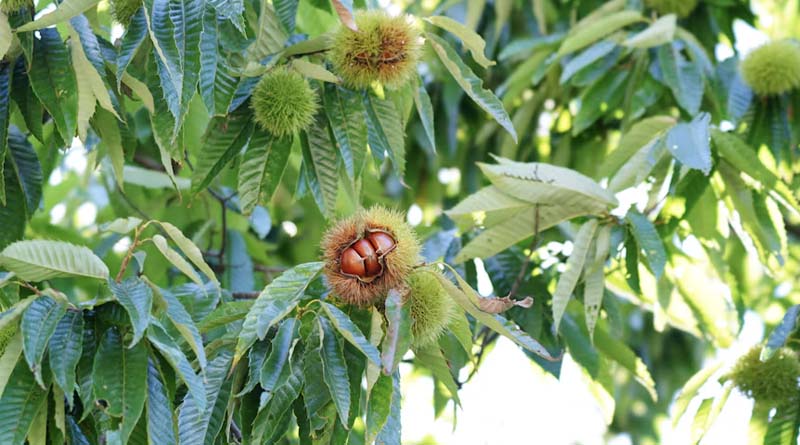
USDA Deregulates GM Blight-Resistant American Chestnut Tree
05 October 2026, New York: The U.S. Department of Agriculture has formally deregulated Darling 54, a genetically engineered American chestnut tree bred
Read More

Get the latest GM Trees news, research and developments covering genetically modified trees, forest biotechnology, genetic engineering, genome editing and plantation forestry. Coverage includes scientific advances aimed at improving tree growth, wood quality, disease resistance, carbon capture, environmental adaptation and the production of renewable raw materials.
Research in this field explores genetic modifications designed to alter lignin content, improve resistance to pests and diseases, increase biomass production and enhance tolerance to drought or other environmental stresses. Applications include poplar, eucalyptus, pine and other commercially important forest species. Researchers are also investigating gene-editing techniques such as CRISPR to modify specific traits, alongside conventional genetic engineering approaches. These developments raise questions about ecological effects, gene flow, biodiversity, long-term performance and the management of genetically modified trees outside controlled environments.
Find updates on field trials, regulatory approvals, biotechnology research, commercial applications and environmental assessments involving engineered trees. Coverage also includes developments in blight-resistant American chestnut research, fast-growing plantation trees, engineered wood feedstocks and trees designed for industrial or bioenergy uses. Regulatory decisions, public consultation, research partnerships and advances in genetic containment are important aspects of assessing how these technologies may be used in forestry and restoration programmes.
05 October 2026, New York: The U.S. Department of Agriculture has formally deregulated Darling 54, a genetically engineered American chestnut tree bred
Read More