Syngenta And Pepsico Reward Farmers For Regenerative Farming Practices
22 March 2025, US: Syngenta, leader in technology and innovation in agriculture, and PepsiCo, global leader in food and beverages, are working
Read More
Find the latest news, product launches, research, partnerships, regulatory developments, sustainability initiatives, and business updates from Syngenta. Stay informed on crop protection, seeds, biologicals, digital agriculture, AI, plant health, soil health, sustainable farming, and global agricultural innovation. Syngenta
Syngenta is a global agricultural technology company and part of Syngenta Group, with more than 50,000 employees operating in over 90 countries. The company focuses on developing technologies and solutions that help farmers improve productivity and resilience while addressing challenges such as climate change, water scarcity, pests, diseases, and resource constraints. Syngenta Group is a global leader in crop protection and biologicals and ranks among the world’s largest seed businesses.
Syngenta’s core businesses include Crop Protection and Seeds, supported by research and development in chemistry, biology, genetics, biotechnology, AI and digital agriculture. Its crop protection portfolio covers herbicides, fungicides, insecticides, seed treatments, biocontrols and other plant health technologies, while Syngenta Seeds develops varieties and technologies for crops including corn, soybean, sunflower, cereals and vegetables.
The company is also expanding its biologicals portfolio through biocontrols, biostimulants and nutrient-use-efficiency (NUE) products, with applications focused on pest and disease management, crop resilience, soil health and nutrient uptake. Syngenta’s Cropwise™ platform brings digital tools and data-driven technologies into farm management, supporting precision agriculture, decision-making and resource efficiency.
Syngenta invests heavily in agricultural R&D, with its global seeds and crop protection research spending exceeding $1.4 billion annually. Its innovation pipeline includes new active ingredients, seed technologies, biological solutions, AI applications and digital farming tools.
This category features Syngenta news, crop protection products, herbicide and fungicide launches, insecticides, seed technologies, biologicals, biostimulants, Cropwise, AI in agriculture, research and development, regulatory approvals, sustainability, partnerships, acquisitions, investments, and global agribusiness developments.
22 March 2025, US: Syngenta, leader in technology and innovation in agriculture, and PepsiCo, global leader in food and beverages, are working
Read More21 March 2025, UK: In agriculture, every growing day counts. Maximising the potential of each day in a crop’s lifecycle is crucial
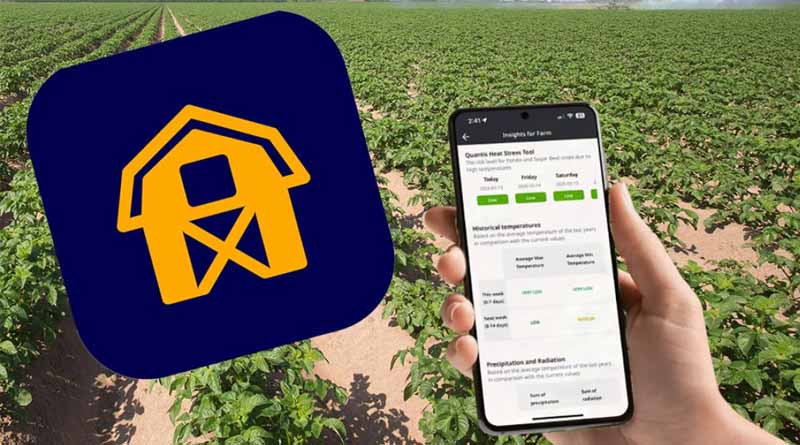
Read More21 March 2025, UK: The all-new Syngenta Portal now gives farmers, growers and agronomists instant access to essential weather data and digital crop management
Read More17 March 2025, UK: The application of PGRs (plant growth regulators) are important for hybrid barley crops because they help manage plant height,
Read More13 March 2025, UK: As I write this it’s great to see some sun and longer, warmer days. Looking back on the
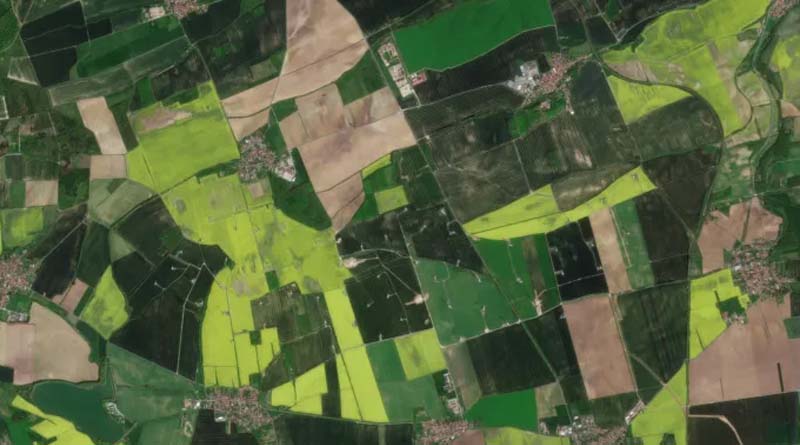
Read More12 March 2025, US: Farmers around the world will have comprehensive access to near-daily satellite imagery of their fields thanks to a
Read More07 March 2025, US: New technology available to golf and landscape professionals to provide real-time data and insights. Syngenta, a global leader
Read More06 March 2025, UK: How does herbicide resistance occur? Think of it like natural selection or the survival of the fittest. Some
Read More06 March 2025, UK: Keeping weeds in check in cereal crops Weeds are a constant challenge in many UK cereal crops, especially
Read More06 March 2025, UK: Top tips from our technical team Georgina Young, Syngenta Technical Manager, shares her top tips so you can
Read More