17 March 2026, London: According to Growth Market Reports, the global blockchain in agriculture market size reached USD 0.38 billion in 2024, demonstrating significant traction due to rising demand for transparency and traceability in food supply chains. The market is projected to grow at a remarkable CAGR of 46.7% during the forecast period, with the market size expected to reach USD 7.37 billion by 2033. This exponential growth is primarily driven by increasing adoption of digital technologies in agriculture, the need for efficient supply chain management, and stringent food safety regulations worldwide.
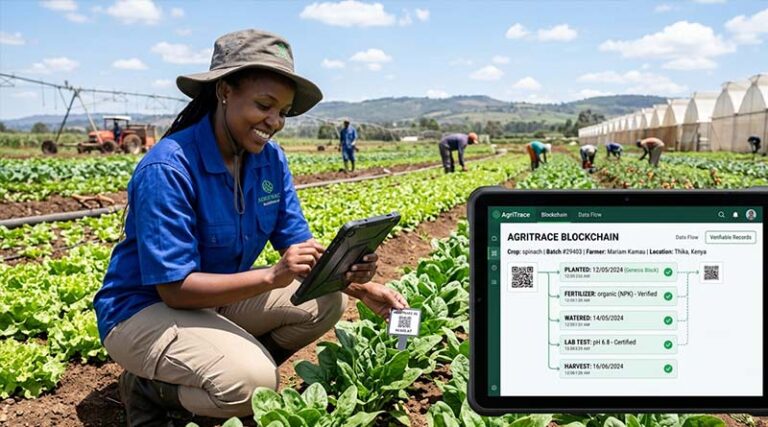
The global agricultural sector is undergoing a significant technological transformation, driven by the need for transparency, efficiency, and sustainability in food production and distribution. One of the most promising technologies influencing this transformation is blockchain. Blockchain in agriculture refers to the application of decentralized ledger technology to track, verify, and record agricultural data across the supply chain. From farm production to retail distribution, blockchain enables a transparent and tamper-proof record of transactions, helping stakeholders make better decisions.
Key Market Drivers
Growing Demand for Food Traceability
One of the most significant drivers of the Blockchain in Agriculture Market is the increasing demand for transparency and traceability in the global food supply chain. Consumers today want to know where their food comes from, how it was produced, and whether it meets quality and safety standards. Traditional agricultural systems often lack the ability to provide detailed product histories, which creates trust gaps between producers and consumers.
Blockchain technology addresses this issue by creating a secure and immutable record of transactions throughout the supply chain. Each stage of the agricultural process—from farming and harvesting to processing and distribution can be recorded on a blockchain network. This allows stakeholders to track food products back to their origin, ensuring authenticity and reducing the risk of fraud. As consumers become more conscious about food safety and ethical sourcing, the demand for blockchain-based traceability solutions continues to grow.
Rising Concerns Over Food Safety
Food safety incidents have become a major concern worldwide, prompting governments and organizations to adopt advanced technologies that improve monitoring and accountability. Contaminated food products can spread quickly through complex supply chains, making it difficult to identify the source of contamination using traditional tracking systems.
Blockchain technology enables real-time product tracking and faster identification of affected batches. When a food safety issue arises, companies can quickly trace the origin of the problem and take corrective action before it escalates. This capability significantly reduces the scope of product recalls and helps protect consumers from health risks. As a result, the increasing emphasis on food safety regulations is driving the adoption of blockchain solutions in agriculture.
Increasing Digital Transformation in Agriculture
The agricultural sector is gradually embracing digital technologies to improve productivity, efficiency, and sustainability. Technologies such as artificial intelligence, Internet of Things (IoT), and data analytics are being integrated into farming operations to enhance decision-making and optimize resource management.
Blockchain complements these technologies by providing a secure infrastructure for storing and sharing agricultural data. Farmers, suppliers, distributors, and retailers can access reliable information through decentralized networks without relying on a central authority. This digital transformation is encouraging agricultural stakeholders to invest in blockchain platforms that streamline operations and improve collaboration across the supply chain.
Future Outlook
The future of the Blockchain in Agriculture Market appears highly promising as digital technologies continue to reshape the agricultural landscape. As awareness of blockchain benefits increases, more stakeholders are expected to adopt decentralized solutions to improve transparency and operational efficiency.
Advancements in connectivity, cloud computing, and IoT will further enhance the capabilities of blockchain platforms. These technologies will enable real-time data sharing across agricultural ecosystems, creating smarter and more resilient supply chains.
Government support and regulatory clarity will also play a crucial role in accelerating adoption. Policies promoting digital agriculture and data transparency can encourage farmers and agribusinesses to invest in blockchain-based solutions.
In the long term, blockchain technology has the potential to revolutionize the way agricultural products are produced, traded, and consumed. By fostering trust, improving traceability, and empowering farmers with digital tools, blockchain will contribute to the development of a more sustainable and efficient global food system.
Global Agriculture is an independent international media platform covering agri-business, policy, technology, and sustainability. For editorial collaborations, thought leadership, and strategic communications, write to pr@global-agriculture.com