Food-feed-fertility: Feeding the soil, Livestock, and People in Zambia
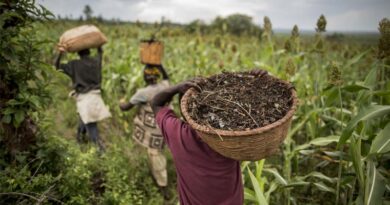
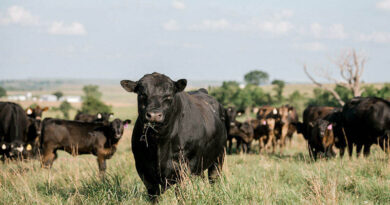
30 March 2026, Zambia: In Zambia’s Southern Province, livestock is more than an asset. It is a livelihood strategy, a local bank and safety net, and a symbol of wealth. A herd can pay school fees, cover emergency medical costs, and steady a family when crop harvests are low. It can also influence a smallholder’s social status and how he is viewed by society. But in recent seasons, that status has come under pressure. Erratic rainfall and El Niño effects have thinned pastures and shortened the grazing window by reducing available biomass. Cattle are pushed further into communal areas to search for sparse feed, which is inherently low in productive nutrients. By the time the long winter months arrive, many families are already worrying about what their animals will eat and what they will lose if the animals weaken and die.
This is the current reality that farmers hosting the European Union (EU)-funded Sustainable Intensification of Smallholder Farming Systems in Zambia (SIFAZ) project are trying to address. The aim is not to replace livestock with crops, but simply to strengthen the link between them. This practical approach allows farmers to plan feeding their livestock the same way they plan cropping for human consumption. Instead of relying solely on distant grazing areas, farmers are validating improved fodder systems that provide feed on-site when it is hardest to find, while also improving soils for the next cropping cycle.
Early-season evaluations from the 2025/2026 season show that the appreciation of in-situ fodder production is increasing. Close management of livestock and growing feed for livestock production, however, requires a mental shift among livestock owners used to extensive herding, as population densities increase. Moving from extensive livestock grazing to livestock holding, which means keeping animals in close proximity and controlled feeding, depends on having enough biomass resources available when natural pasture runs out. This reduces pressure on communal lands and helps avoid the slow but consistent damage caused by overgrazing.
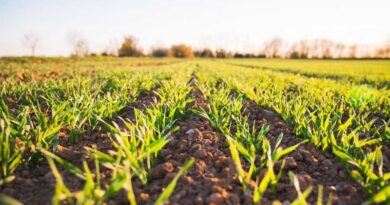
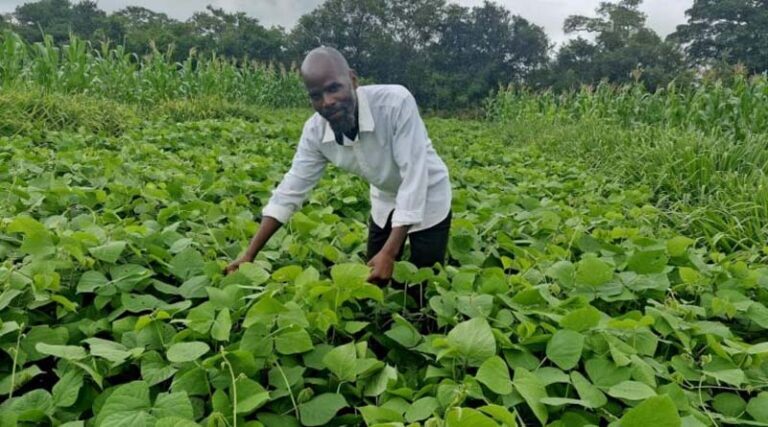
In Mboole camp of Choma district in southern Zambia, one farmer’s experience captures what this shift looks like in practice. Sillor Munsaka Kantangali has managed a fodder demonstration plot for three years as a trial host farmer after hosting weed trials for three years. His plot is rooted in the idea of food, feed, and fertility; built through crop-livestock integration and diversification. The trials test maize-legume rotations and intercropping combinations with productive forage legumes like velvet beans and lablab. New research on high-potential fodder grasses, such as Brachiaria mulato, adds additional value to the fodder trial. For farmers like Kantangali, Brachiaria and the forage legumes produce reliable biomass that can be harvested and stored for the 7-month dry winter season, helping bridge the feed gap when pasture becomes scarce. Mixed rations with legume species also lead to a more balanced diet for livestock.
Live Newsroom
However, the introduction of fodder production in the current farming systems must be gradual. Farmers still depend on cereals for their daily food, and some land area needs to be dedicated to cereals and grain legumes as well. The project has therefore provided adapted solutions for combining grain and fodder production in strip cropping systems, where both fodder and food can be grown simultaneously, benefiting the household as a whole.
In the current season, the fields of velvet beans, lablab, maize, and Brachiaria are showing great potential, and the results for smallholder farmer Katangali are very encouraging. In an economic analysis of different systems from the previous season, the maize-legume rotations delivered the highest net benefits, reaching USD 2,848.48 per hectare.
“This is the way forward,” he says. “I’m producing feed for my animals, which is increasing their milk production and helping them gain weight. Just as humans benefit from a varied diet, animals also require a diverse nutrition beyond the usual grass; they need additional sources of nutrients.” With healthier livestock, he is not only improving his income but also reinforcing a long-standing symbol of wealth in the community.
However, growing Brachiaria has not been without challenges. Red spider mites have affected the plants, introduced as an important fodder grass valued for its resilience and high biomass production. Farmers are responding proactively by seeking guidance, sharing experiences, and adapting management practices, demonstrating the importance of continuous learning as pest pressures evolve. Some co-benefits have been observed by farmers when rotating maize with fodder crops, including interrupting pest cycles, improving soil structure, and enhancing nutrient availability. Diversifying fodder sources spreads risk, stabilizes feed supply, and reduces the temptation to overuse the same land and grazing areas.
Across these trial sites, the phrase many farmers now repeat carries the logic of the whole system: “First feed the soil, feed the animals, and feed ourselves.” This reflects a broader shift toward regenerative agriculture, recognizing that healthy soils support better crops, better feed, and ultimately stronger household food security. The innovations provided by the SIFAZ project show that agricultural transformation does not always require major investments. Often, it begins with informed farmers, improved knowledge, and simple yet effective practices that benefit both land and livelihoods. The progress demonstrated in these fodder trials offers a promising foundation for the wider adoption of climate-smart, farmer-led innovations.
Also Read: MIT-WPU Researchers Develop AI Models to Boost Oil Recovery Amid Global Energy Volatility
Global Agriculture is an independent international media platform covering agri-business, policy, technology, and sustainability. For editorial collaborations, thought leadership, and strategic communications, write to pr@global-agriculture.com