26 May 2026, Denmark: Novonesis has received a full label registration for its next-generation phytase HiPhorius™, increasing flexibility of use and bringing its superior performance and cost efficiency to farm and feed producers of all monogastric species across EU-countries.
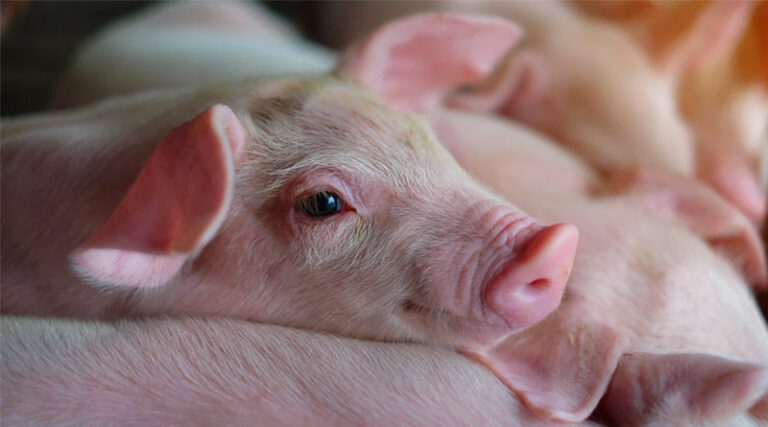
Previously authorized for all poultry species for fattening, poultry reared for laying or reared for breeding, sows and fin fish, HiPhorius™ can now also be used for laying hens, breeding poultry, piglets and fattening pigs. The full label registration allows feed producers and farmers the opportunity to use a single, high efficiency phytase solution across multispecies operations further enhancing both efficiency and sustainability.
“Customers want one phytase solution that works across all species and life stages, while also driving superior performance and greater cost efficiency,’’ says Jens Kolind, SVP for Planetary Health for sales region Europe in Novonesis.“With HiPhorius™, we deliver a faster, more efficient and more heat stable phytase capable of delivering on these needs’’.
HiPhorius™ is a fourth generation phytase developed on the heritage of RONOZYME®HiPhos.
Compared with earlier phytase solutions, it releases phosphorus faster and more efficiently, while maintaining a high level of activity during feed processing, including pelleting at elevated temperatures, helping ensure phytase performance where other solutions may lose efficacy. These properties enable near complete phytate degradation and superior nutrient utilization across poultry, swine, and aquaculture feeds.
Supported by a unique range of user-friendly digital tools that ensure simple and precise application, HiPhorius enables near-complete phytate degradation. This reduces the need for costly inorganic phosphorus supplementation and supports superior growth rates and feed conversion ratios for all poultry, swine and aquaculture. Together, this supports performance, profitability and the environment. It also paves the way for the latest nutritional concepts, with their potential to transform the way livestock are fed in the future.
Global Agriculture is an independent international media platform covering agri-business, policy, technology, and sustainability. For editorial collaborations, thought leadership, and strategic communications, write to pr@global-agriculture.com