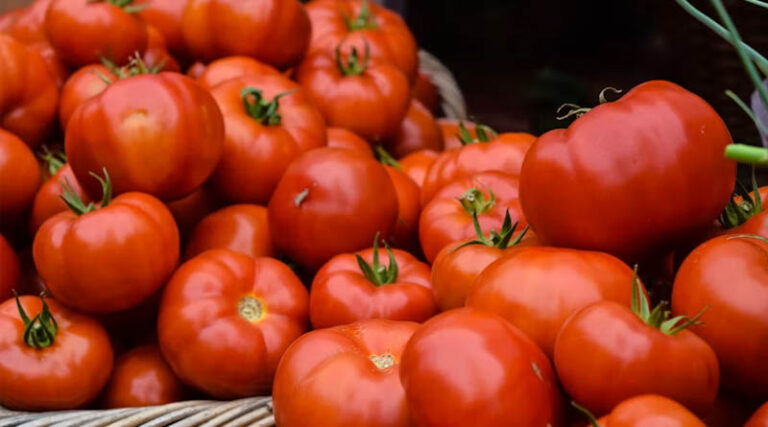
EPA Finalizes 12-Year Registration Review of Tomato Fruit-Set Regulator 4-CPA
28 September 2026, Washington, D.C.: The US Environmental Protection Agency has completed its registration review of 4-CPA (4-chlorophenoxyacetic acid), a plant growth regulator widely used to promote fruit set in tomatoes and certain other fruiting vegetables, closing out a review process that began in 2014.
EPA’s Notice of Availability for the final decision is dated September 23, 2026, was filed for public inspection on September 25, 2026, and is scheduled for official publication in the Federal Register on September 28, 2026, under docket number EPA-HQ-OPP-2014-0544. The action is being handled by Chemical Review Manager Christian Bongard within EPA’s Office of Pesticide Programs.
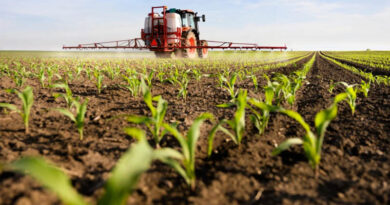
4-CPA is a synthetic auxin-type plant growth regulator, chemically related to the phenoxy herbicide family that includes 2,4-D, but used at very different rates and for a different purpose. Rather than controlling weeds, it is applied to induce flowering and fruit set, most commonly in tomatoes, and is marketed to growers seeking to reduce blossom drop and improve yield consistency under suboptimal pollination or temperature conditions. It is a narrow, minor-use product relative to major herbicides, fungicides and insecticides, but it plays a specific role for fruiting vegetable growers, particularly in protected and open-field tomato production.
Under the Federal Insecticide, Fungicide, and Rodenticide Act (FIFRA), EPA is required to review every registered pesticide active ingredient at least once every 15 years to ensure it continues to meet current health and environmental safety standards. The 4-CPA review followed the standard process: EPA opened the docket in 2014, released a proposed registration review decision on July 22, 2025, and accepted public comment on that proposal through September 22, 2025, before finalizing its determination roughly a year later.
Live Newsroom
The Federal Register notices reviewed for this story announce the availability of the final decision but do not themselves disclose its substantive findings, such as whether any label amendments, use restrictions or risk mitigation measures were imposed. EPA states that the rationale for the decision is contained in the supporting docket rather than in the notice of availability itself. As of publication, no secondary analysis of the docket’s contents was available from trade press or legal trackers, so specific terms of the final decision, including any changes affecting registrants or growers, cannot yet be confirmed independently and should be verified against the docket once it is publicly accessible.
Also Read: New US Tariffs on Chinese Drones Raise Costs for Spray-Drone Farmers
Global Agriculture is an independent international media platform covering agri-business, policy, technology, and sustainability. For editorial collaborations, thought leadership, and strategic communications, write to pr@global-agriculture.com