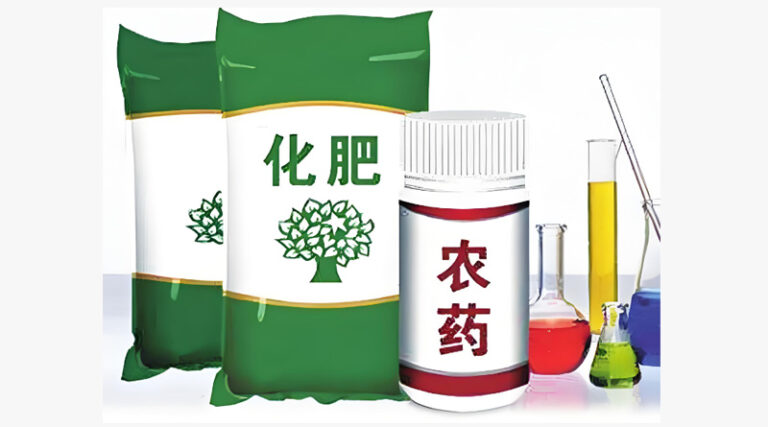
01 April 2026, Beijing: In mid-to-late March 2026, the agrochemical industry entered a concentrated window for price adjustments by leading companies. UPL, Limin Group, and Zhongtian Bangzheng successively issued price increase notices, marking the official formation of an industry-wide price hike wave driven by costs.
On March 16, UPL (Uniphos Enchemicals (Shanghai) Co., Ltd.) announced a 5%-8% price increase for some products effective April 1; on March 17, Limin Group immediately raised prices of core products such as mancozeb and abamectin by 5%-15%; on March 20, Zhongtian Bangzheng issued a notice stating that all pesticide products would see an average price increase of 5%-15% starting April 1.
The core reason for this round of price increases in agrochemical products is the sharp rise in comprehensive production costs for enterprises, primarily due to three pressures:
Significant increase in raw material prices: Prices of petrochemical industry chain products, corn starch, and other raw materials have risen notably due to geopolitical and supply factors, with upstream cost pressures fully transmitted downstream.
Sharp rise in international supply chain and logistics costs: Global supply chain disruptions, rising fuel prices, and significant fluctuations in freight costs have directly increased corporate operating expenses.
Continuous increase in environmental compliance costs: Stricter environmental policies have led to higher compliance investments for production, becoming a major factor in cost escalation.
Enterprises Passively Adjust Prices to Prioritize Supply Chain Stability
Faced with persistently rising costs, multiple companies had initially absorbed part of the increase themselves. After pressures exceeded a critical point, they initiated price adjustments as a passive response.
In terms of the scope of adjustments, price increases cover insecticides, fungicides, herbicides, and multiple core active ingredient formulations, with increases concentrated in the 5%-15% range. Despite raising prices, companies have clarified that the core purpose is to ensure stable supply during the spring planting peak season and maintain continuous product availability, aiming to share cost pressures with downstream channels and preserve long-term cooperative relationships and industry ecosystem stability.
Industry insiders indicate that this collective price adjustment led by top enterprises will serve as a critical juncture for restructuring the agrochemical product price system and transmitting cost pressures downstream. Future industry price trends will depend on the persistence of cost pressures and the downstream market’s capacity to absorb them.
Global Agriculture is an independent international media platform covering agri-business, policy, technology, and sustainability. For editorial collaborations, thought leadership, and strategic communications, write to pr@global-agriculture.com