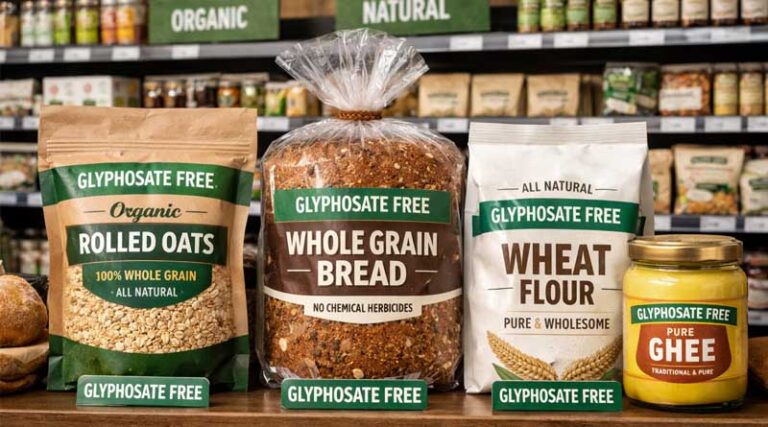
22 April 2026, London: As consumers become more conscious about how food is grown, processed, and marketed, terms such as Glyphosate-Free are gaining attention across shelves and digital marketplaces. What was once a niche discussion is now becoming part of mainstream conversations around trust, transparency, and cleaner choices. For food brands, it is also emerging as a powerful marketing message. Here are some of the most common questions readers may have.
What is Glyphosate-Free?
Glyphosate-Free means a product is marketed as being made without the presence or use of glyphosate in its production chain, offering consumers a cleaner-label choice. For many shoppers, the term signals stronger attention to sourcing, farming practices, and transparency.
Why are food brands using Glyphosate-Free on packaging?
Brands use the claim because it helps products stand out in crowded categories. It creates a sense of trust, supports premium pricing, and appeals to health-conscious consumers looking for cleaner food options.
Why is Glyphosate-Free becoming popular now?
Consumer awareness around food quality has expanded beyond calories and ingredients. Shoppers increasingly want to know how food was grown, what chemicals were avoided, and whether the supply chain matches their values.
Not necessarily. Many trends begin in premium categories because early adopters are willing to pay more, but successful claims often move into mainstream retail once demand increases.
Which products are most likely to use this label?
The trend is most visible in oats, bread, flour, cereals, dairy, ghee, and specialty grocery products. Over time, it may expand into fresh produce, oils, snacks, and other everyday staples.
Consumers often associate the label with better sourcing and cleaner production. However, product quality also depends on freshness, ingredients, manufacturing standards, and overall brand integrity.
Why do urban consumers respond strongly to this trend?
Urban shoppers are typically more exposed to wellness content, label-reading habits, e-commerce research, and premium grocery formats. This makes them more responsive to trust-based food claims.
Can Glyphosate-Free become as big as organic or gluten free?
It has the potential to become a strong niche or mainstream clean-label category, especially if consumer education, retailer support, and brand storytelling continue to grow.
What happens if brands ignore the trend?
Brands that overlook emerging consumer concerns may lose relevance with younger and more informed buyers who increasingly choose products based on values, transparency, and perceived safety.
What does this trend mean for the future of food marketing?
It shows that food branding is shifting from only taste and price to deeper themes such as sourcing, farming practices, trust, and peace of mind.
Global Agriculture is an independent international media platform covering agri-business, policy, technology, and sustainability. For editorial collaborations, thought leadership, and strategic communications, write to pr@global-agriculture.com