CAC49 / The Codex Family Meets To Adopt New Texts, Reflect, And Look Ahead
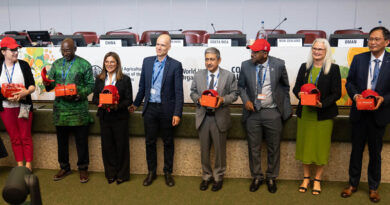
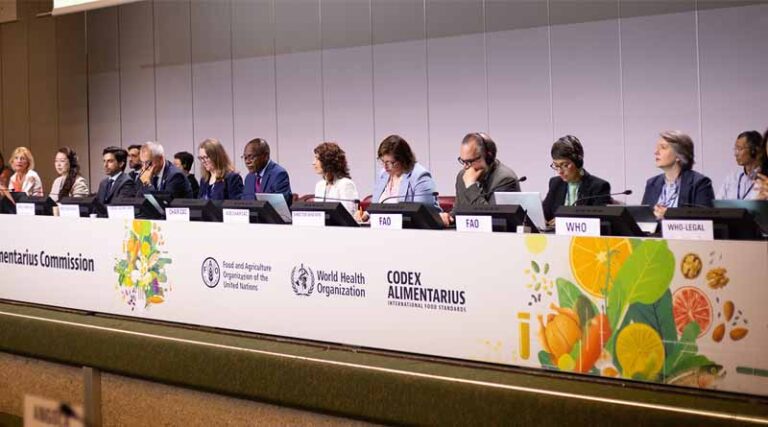
07 July 2026, Rome: The FAO/WHO Codex Alimentarius Commission (CAC) has started its 49th session in Geneva, Switzerland ahead of a week of discussions on the adoption of texts and revisions of texts, and other matters relevant to the ongoing work of the Commission and its subsidiary bodies.
The Directors-General of both the parent organizations of CAC sent pre-recorded welcome messages. Referencing the difficult context in which the international community works for the greater good, Dr Tedros AdhanomGhebreyesus, Director-General of the World Health Organization (WHO) urged the Commission to uphold its “commitment to making food what it should be – safe and nutritious, not as a privilege, but a right.” He underlined the role CAC has in this endeavour: “In an uncertain and unstable world, unity and cooperation matter more than ever. That’s why Codex is so important for addressing current needs and anticipating future challenges.” He highlighted that WHO supports Codex work in many ways, including “through stronger scientific advice; with updated estimates on foodborne diseases; through our initiative to eliminate trans fats; and through action on antimicrobial resistance.” He made three requests to CAC from WHO: “First, to put public health at the centre of all decisions; second, to strengthen cooperation across sectors and borders to address shared challenges; and third, to uphold science at the center of Codex and invest in the systems that sustain it.”
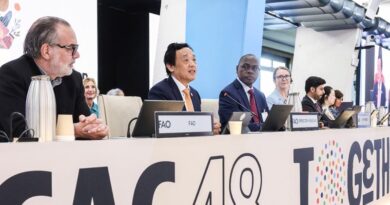
The Director-General of the Food and Agriculture Organization of the United Nations (FAO), QU Donyu, also spoke of the global challenges facing both FAO and, consequently, CAC. “Your work continues to reflect what we can achieve through effective multilateralism, and a shared commitment to science-based standards,” he said. The FAO Director-General underlined that his personal experience visiting stakeholders across the food and agriculture sectors in many countries has demonstrated the difficulties faced in these sectors, and that “the role of Codex has never been more critical: your work provides essential tools to ensure food safety and facilitate trade.” He also underlined the point that Codex texts must be implemented to be effective, and for the work of CAC to have impact on consumers and trade. He also pointed out that “food safety standards are not just about safety; they are about building trust, reducing waste, and creating more competitive and equitable markets.” “FAO,” concluded DG QU, “remains committed to supporting you. We will continue to provide the robust scientific advice that underpins your decisions and to assist LMICs in building the capacity needed to implement Codex standards effectively”.
The Codex Alimentarius Commission Chairperson, Allan Azegele, also made reference to the challenges across the world, and noted the heavy impact global upheavals have had on the Codex process and meetings. “I wish to acknowledge these difficulties and sincerely thank host governments, committee chairs, delegates, FAO and WHO and the Codex Secretariat for their dedication in ensuring the success of these sessions. Your commitment demonstrates that international cooperation in food safety remains both resilient and indispensable, even during challenging times.” He recounted how he and the Vice-Chairpersons have attended a number of events where they have advocated for Codex work. “These engagements have consistently reinforced one message,” he said, “Codex remains the foundation of the global food system, protecting consumer health and facilitating fair trade practices.” He thanked FAO and WHO for their ongoing support to the Codex Alimentarius Commission and went on to briefly summarized the week’s agenda. “The decisions we take this week will extend far beyond this meeting room,” he reminded delegates. “They will influence national legislation, guide food businesses, support international trade, and ultimately contribute to safer food for billions of consumers around the world.”
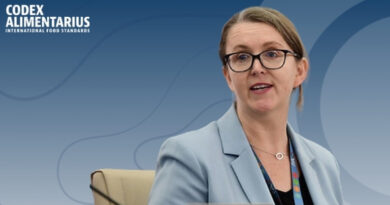
Commenting on the broad agenda for this week, the Secretary to the Codex Alimentarius Commission, Sarah Cahill, also referenced the great progress made in the eight months since CAC48, and she also outlined the great progress made over the period of the last Codex Alimentarius Commission strategic plan, the implementation report for which is on the agenda for discussion during this week. This report, she said, “highlights the significant achievements made during what was, at times, a challenging and unprecedented period for our work. As noted in this report, Codex continued to respond to emerging issues, broaden participation through new working modalities, strengthen its focus on impact, and deliver science-based standards that support consumer health protection and fair practices in food trade.” She took the opportunity of these remarks to also note “moments of transition” that have seen the retirement of stalwart FAO and Codex officers, and the end of secondments of others. She concluded that “the spirit of the Codex family remains strong, and it is one of our greatest assets. As we begin our work this week, I encourage us all to continue in the spirit of collaboration, mutual respect and shared commitment that has characterized Codex for more than six decades. I wish us all a productive and successful CAC49.”
Also Read: Crystal Crop Protection and Corteva Sign Collaboration Agreement
Global Agriculture is an independent international media platform covering agri-business, policy, technology, and sustainability. For editorial collaborations, thought leadership, and strategic communications, write to pr@global-agriculture.com