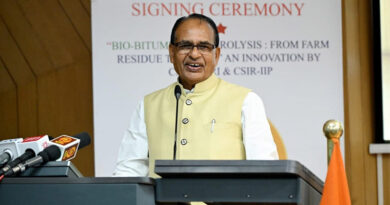
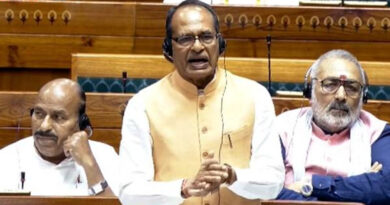
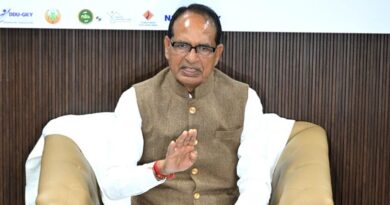
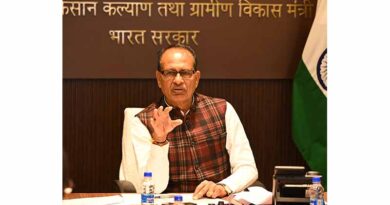
25 March 2026, New Delhi: Union Agriculture Minister Shivraj Singh Chouhan informed the Lok Sabha that the government led by Narendra Modi remains committed to ensuring “remunerative prices under all circumstances” for farmers, claiming that incomes of several farmers have doubled over the years.
According to the minister, multiple policy interventions—including Minimum Support Price (MSP) at 50% above cost, record procurement, the Pradhan Mantri Fasal Bima Yojana, PM-AASHA, Bhavantar Bhugtan Yojana, and the Market Intervention Scheme—have collectively created a safety net for farmers. Under the crop insurance scheme, claims worth over ₹1.92 lakh crore have reportedly been paid against farmer premiums of approximately ₹36,055 crore. The government also highlighted the use of digital farmer IDs to enable faster relief during disasters.
Limited MSP Access
Despite these claims, the reach of MSP procurement remains restricted. Estimates suggest that only about 6–7% of farmers are able to sell their produce at MSP, largely concentrated in wheat and paddy-growing states such as Punjab and Haryana. In crops like pulses, oilseeds, and vegetables, the share is significantly lower, with most farmers selling in open markets at prices below MSP.
Rising Costs, Modest Incomes
The gap between rising input costs and farm incomes continues to be a concern. Over the past five to seven years, costs related to fertilisers, diesel, and labour have increased by an estimated 20–40%. Meanwhile, data from the National Statistical Office indicates that the average monthly income of a farm household stood at around ₹10,200 in 2018–19, leaving limited net savings after accounting for expenses.
While aggregate insurance payouts under PMFBY appear substantial, delays in claim settlements persist in several states, often ranging from six months to a year. At the field level, farmers frequently report delayed or partial compensation, affecting their ability to recover from crop losses in time for the next season.
Continued Market Volatility
Price volatility remains a major risk, particularly in the fruits and vegetables segment, which contributes nearly 40% to the total agricultural output value. Crops such as tomatoes and onions have witnessed sharp price crashes at times, with farmers forced to sell below production costs. According to NITI Aayog, farmers often receive only 25–40% of the final consumer price in such cases.
India’s agrarian structure is dominated by small and marginal farmers, who account for nearly 86% of total landholdings. For these farmers, income is typically derived from a combination of cultivation, wage labour, and livestock, with agriculture alone often insufficient to provide stable earnings.
While government schemes and digital initiatives are strengthening the institutional framework, achieving sustained and broad-based improvement in farm incomes will require deeper market reforms, better cost management, and more assured procurement mechanisms.
Global Agriculture is an independent international media platform covering agri-business, policy, technology, and sustainability. For editorial collaborations, thought leadership, and strategic communications, write to pr@global-agriculture.com