Beyond Domestic Duties: How AgWISE Unlocks Women’s Agricultural Water Security
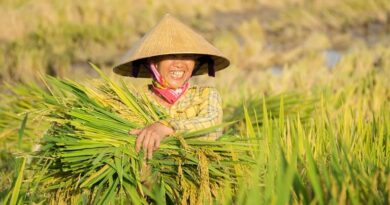
03 August 2026, New Delhi: When we talk about women and water, the conversation usually stops at domestic chores: collecting drinking water, cooking, washing, and caregiving. Yet across Asia’s climate-agriculture hotspots, women’s roles in agrifood systems are expanding rapidly. In coastal Bangladesh, increasing floods, erratic rainfall, and salinity intrusion severely disrupt freshwater availability. Coupled with rising male outmigration, women are taking on larger roles in crop farming, homestead gardening, aquaculture, and livestock rearing, even as they remain largely excluded from water governance and infrastructure decisions.
To bridge this critical data gap, the CGIAR Initiative on Asian Mega-Deltas, in collaboration with Northwestern University and local communities, co-designed the Agriculture Water InSecurity (AgWISE) module. Adapted from the globally recognized Water Insecurity Experiences (WISE) Scales, AgWISE is a methodological innovation designed to translate women’s everyday experiences into actionable evidence. The tool quantifies not only the material challenges of water access across agricultural sectors, but also the rarely assessed relational and psychosocial dimensions of water insecurity.
A pilot study conducted with 800 respondents in southern coastal Bangladesh revealed stark realities about productive water stress. The findings showed that 57.5% of women and 73.7% of men experience productive water insecurity, while 42.5% of women face domestic water insecurity. Beyond physical access, the emotional burden is immense, with 78% of women and 86% of men reporting anxiety, stress, or harassment linked to securing water for their livelihoods. These experiences are heavily shaped by intersectional factors like age, class, and land ownership, leaving landless households, widows, and female-headed families the most vulnerable.
By turning lived experiences into reliable, disaggregated evidence, AgWISE provides a clear roadmap for policy action. The insights are currently being used to inform revisions to Bangladesh’s National Women Development Policy and guide discussions with the Ministry of Finance to integrate the tool into Gender Responsive Budgeting initiatives across six climate hotspots. Building on the global footprint of the WISE Scales, AgWISE offers an adaptable framework to make women’s agricultural water needs visible, ensuring climate adaptation, food security, and water governance truly serve smallholder farming communities worldwide.
Also Read: Western Sydney International Airport Strengthens Australia’s Trade And Biosecurity Future
Global Agriculture is an independent international media platform covering agri-business, policy, technology, and sustainability. For editorial collaborations, thought leadership, and strategic communications, write to pr@global-agriculture.com