Plant Not Plastic: A Simple Choice That Protects Our Planet
30 March 2026, AU: Bayer is proud to partner with the National Cotton Council on Plant Not Plastic, a new initiative raising awareness about the environmental impact of synthetic clothing and the benefits of choosing natural fibers like cotton. The campaign encourages consumers to look at their clothing labels and understand how their everyday choices can reduce plastic pollution.
Why Plant Not Plastic?
Most synthetic fabrics; polyester, nylon and acrylic are forms of plastic. They shed microplastic fibers during wear and washing, and these particles slip into waterways, oceans, and ecosystems where they can persist for decades.
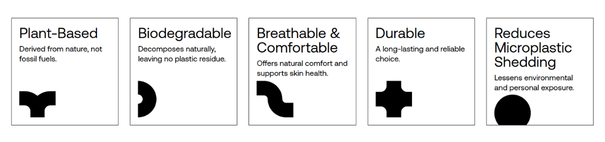
Cotton, on the other hand, is a plant‑based fiber that naturally biodegrades. When cotton breaks down, it returns to the environment without leaving behind lasting pollution.
The Microplastic Problem
Research supported by Cotton Incorporated shows that synthetic apparel contributes millions of metric tons of plastic leakage into the environment each year. A single load of laundry can release hundreds of thousands of microplastic fibers, many of which cannot be captured by wastewater treatment systems.
These particles have been found in oceans, soil, drinking water, and even human tissues making this an issue that affects all of us.
How You Can Make a Difference
Your clothing label is a powerful tool. Before you buy, check for:
- 100% cotton
- Cotton‑rich blends
- Natural fibers over synthetics
Small shifts in purchasing habits can reduce microplastic pollution and support the growers who produce this renewable, biodegradable fiber.
A Partnership for a Cleaner Future
By partnering with the National Cotton Council, Bayer is helping amplify the message that natural fibers are part of the solution to global plastic pollution — and that supporting cotton supports sustainable agriculture and rural communities.
Also Read: MIT-WPU Researchers Develop AI Models to Boost Oil Recovery Amid Global Energy Volatility
Global Agriculture is an independent international media platform covering agri-business, policy, technology, and sustainability. For editorial collaborations, thought leadership, and strategic communications, write to pr@global-agriculture.com