China’s Soybean Snub Deepens Even as US Tariff Relief Kicks In
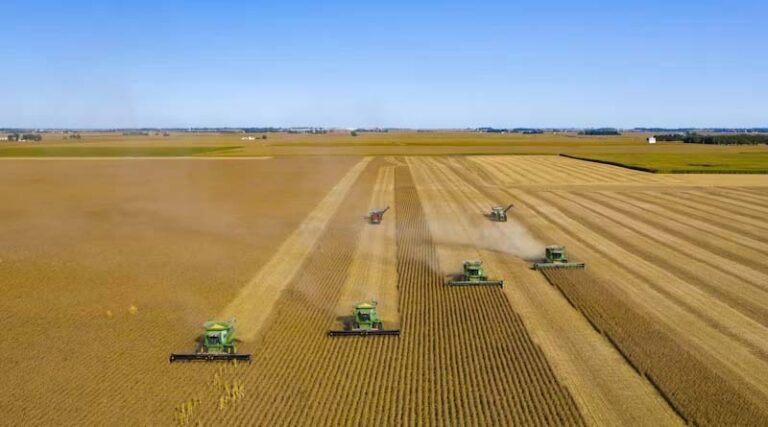
01 October 2026, Beijing: Chinese demand for American soybeans has slowed to its weakest pace in roughly four years, even as Washington and Beijing moved this week to cut tariffs on tens of billions of dollars of other farm goods. Soybeans were the one major crop left out of the deal, and early trade data suggest Chinese buyers have little intention of stepping up purchases regardless.
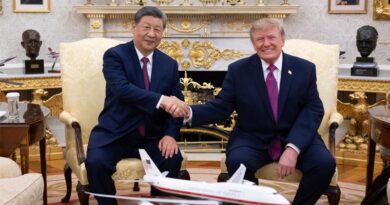
Following talks between US and Chinese officials at a Washington summit, the two countries agreed on September 28 to lower tariffs covering roughly 60 billion dollars in goods, including meat, dairy, corn, wheat, sorghum and vegetable oils. Soybeans were not on the list. They continue to face an additional 10 percent Chinese tariff on top of existing duties, a decision US farm groups had not expected going into the summit.
The exclusion stings because of what came before it. Under a trade truce reached in May, Chinese state-run importers bought about 13.7 million metric tons of US soybeans, a purchase round that briefly lifted hopes for a more durable recovery in the trade relationship. That goodwill has not translated into sustained private-sector buying. According to Reuters reporting, Chinese buyers booked only around 50 cargoes of US soybeans in the first three weeks of September, the lowest tally for that period in four years.
Why Chinese Crushers Have Moved On
Analysts tracking the trade say the slowdown has more to do with economics than politics. Rosa Wang, an analyst at Shanghai JC Intelligence, has pointed to weak crush margins as the core problem: Chinese processors that import US beans and crush them into meal and oil are currently losing money on US-origin cargoes once freight, tariffs and processing costs are factored in. Eduardo Vanin, a senior agriculture strategist at Marex in Curitiba, Brazil, and Johnny Xiang, founder of AgRadar Consulting in Beijing, have separately noted that Chinese crushers have already secured enough South American soybeans to cover their needs through February’s Lunar New Year holiday, when demand typically slows.
Live Newsroom
Private crushers, unlike the state-run buyers who made the May purchases, have sourced almost exclusively from Brazil and Argentina in recent months. High domestic soybean and soymeal inventories in China, combined with a smaller national hog herd that reduces feed demand, have further dulled the appetite for fresh US cargoes even at a discount.
The reaction among American growers has been blunt. John Bartman, a fifth-generation soybean farmer in Illinois, described the exclusion of soybeans from the tariff deal as a missed opportunity for the American farmer, reflecting disappointment across the Midwest that the one crop most exposed to the trade dispute was the one left unresolved. US soybean futures fell on the news, extending a selloff that began when the terms of the deal were first confirmed.
For now, the practical effect is that the US soybean export program is running well behind where trade had hoped it would be at this point in the marketing year, with South America effectively capturing the marginal Chinese buyer. Whether that changes depends on two things trade watchers are now monitoring closely: whether Chinese crush margins improve enough to make US beans competitive again, and whether a further round of talks revisits the tariff that soybeans alone continue to carry.
Also Read: Dhanuka Agritech Launches Adjuvant Wetcit Neo and Rice Blast Fungicide Fujita for the Indian Market
Global Agriculture is an independent international media platform covering agri-business, policy, technology, and sustainability. For editorial collaborations, thought leadership, and strategic communications, write to pr@global-agriculture.com