US-China Tariff Cuts Spare Corn and Wheat, Leave Soybeans Out
29 September 2026, Beijing: The United States and China on September 28 published matching lists of tariff cuts covering roughly $60 billion in two-way trade, with China agreeing to drop its 10 percent retaliatory duty on a wide range of American farm goods. Soybeans, the single largest US agricultural export to China, were left off the list.
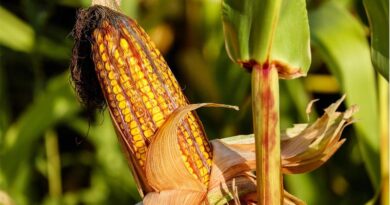
The reciprocal cuts, worth about $30 billion in goods on each side, were confirmed by US Trade Representative Jamieson Greer and Treasury Secretary Scott Bessent, alongside Chinese Vice Premier He Lifeng. China’s list removes its additional tariff on US corn, wheat, sorghum, rice, barley, beef, dairy, vegetable oils and meals, along with fish, seafood, logs and wood products. In return, the US will lower duties on a batch of Chinese consumer goods, including small kitchen appliances, tableware, toys and holiday decorations. The two countries also agreed to extend their broader trade truce, first struck last year in Busan, South Korea, through January 10, 2027, giving both sides more time to negotiate a fuller settlement.
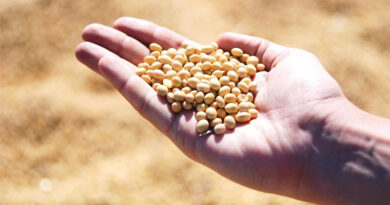
For American soybean growers heading into harvest, the announcement fell short of what they had been pushing for. The American Soybean Association had urged Washington to secure soybean relief specifically, given China’s status as the crop’s largest export market. Soybeans remain subject to China’s 10 percent additional tariff even as most other major US farm exports get relief, and traders described the omission as a disappointment when the lists were published, though futures market reaction was mixed rather than dramatic.
Why soybeans were left off
Part of the explanation lies in timing and existing supply arrangements. China has leaned heavily on Brazil for soybeans this year, drawing on a large 2025/26 South American harvest, while continuing to buy some US cargoes under separate commercial arrangements agreed earlier in the year. That existing flow of purchases may have reduced the urgency, from Beijing’s side, of formally cutting the tariff rate in this round. Neither government has explained the exclusion in detail, and the two sides have agreed to convene a new bilateral agriculture working group before the end of the year, which is expected to take up the soybean question again.
Live Newsroom
The rest of the agricultural list is still significant. Corn, wheat and sorghum exporters get a meaningful cost advantage restored in China’s market, as do US meat and dairy processors who had absorbed the extra tariff since it was imposed during the earlier trade dispute. China also committed to importing 10 million metric tons of US coal annually in 2027 and 2028, a sign the broader deal extends well beyond agriculture into energy.
What comes next
Markets will be watching two things in the coming weeks: whether China’s state-linked buyers step up actual soybean purchases regardless of the tariff status, and whether the new agriculture working group produces any further movement before its first meeting. The truce extension to January 2027 gives both governments a longer runway, but it also means the underlying tariff structure on soybeans could persist through the next North American planting season, a prospect that is already shaping how US growers think about acreage decisions for next year.
For global grain and oilseed markets, the removal of China’s tariff on corn, wheat and sorghum is the more immediately tradable development. It lowers the landed cost of US supplies into China at a time when Chinese import demand for feed grains has been softening alongside a shrinking domestic hog herd, so the practical effect on trade volumes may be modest even though the tariff relief itself is real.
This deal matters well beyond the two countries directly involved. Global benchmark prices for corn, wheat and vegetable oils, the same reference points Indian and Latin American importers and exporters use to plan their own trade, respond to shifts in US-China flows even when India or Brazil are not party to the negotiation. A durable thaw that keeps US grain moving into China at lower cost tends to ease pressure on global supply and can soften input costs for downstream industries, including edible oil refiners and feed manufacturers in India. Conversely, the continued exclusion of soybeans keeps one of the world’s most heavily traded commodities tied up in unresolved trade politics, which sustains the kind of price volatility that Indian edible oil importers and Latin American soybean exporters have had to navigate for several years now. Brazilian and Argentine soybean sellers, in particular, have benefited from China’s tilt away from US beans, a pattern this latest announcement does not disturb.
Also Read: India Bans Paraquat, Cancels Existing Certificates
Global Agriculture is an independent international media platform covering agri-business, policy, technology, and sustainability. For editorial collaborations, thought leadership, and strategic communications, write to pr@global-agriculture.com