Lawsuit Filed to Stop Pollution from Industrial Shellfish Aquaculture Hatchery
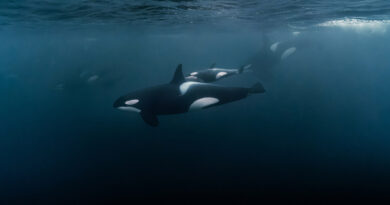
06 August 2026, Washington: Center for Food Safety (CFS) today filed a federal lawsuit against Dulcich, Incorporated and Pacific Shellfish—Quilcene, LLC (“Pacific Seafood”) for violating the Clean Water Act (CWA) at its industrial shellfish hatchery on Washington’s Hood Canal. The popular spot for recreation is home to endangered species such as Orca whales and coho salmon. The suit follows a 60-day notice letter CFS sent to Pacific Seafood in May. Plaintiff CFS is jointly represented by CFS attorneys and Kampmeier & Knutsen, PLLC.
“Pollution from Pacific Seafood’s industrial shellfish factory degrades sensitive aquatic habitat, adding to the cumulative effects of existing industrial shellfish aquaculture in Hood Canal and Puget Sound,” said Kristina Sinclair, staff attorney for CFS and counsel in the case. “We’re asking a court to hold this operation accountable for the pollution it is contributing to Hood Canal and the risks it is creating for the species that depend on it and the communities who use these waters.”
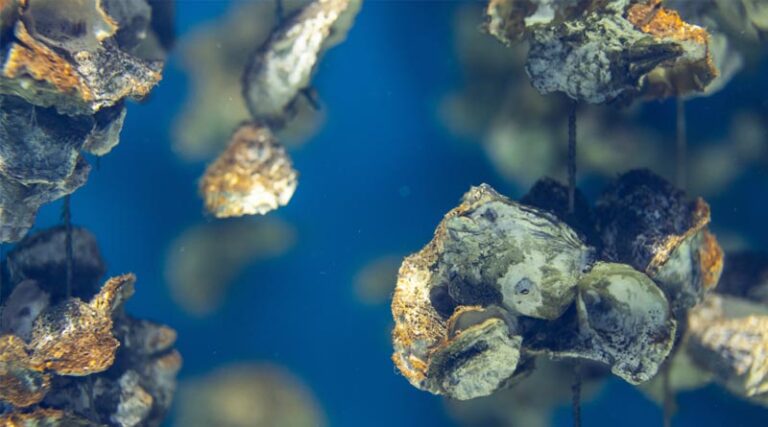
Pacific Seafood’s Quilcene facility produces large volumes of shellfish seed for industrial shellfish aquaculture operations. The facility has repeatedly violated its CWA permit by taking a million gallons of water per day from Quilcene Bay, heating the water to promote algae and larvae growth, and then discharging wastewater back into the Bay at temperatures that exceed NPDES permit limits for the facility, potentially causing significant harm to aquatic species in the surrounding area. Documents show that facility has also repeatedly failed to meet its NPDES permit’s monitoring requirements, among other permit conditions, demonstrating disregard for and noncompliance with CWA requirements designed to protect Washington’s sensitive coastal habitats.
Shellfish monoculturesreduce biodiversity and alter marine ecosystems by consuming nutrients, attracting predators, introducing non-native species and disease, and adding biological and chemical pollution to surrounding waters.Industrial shellfish aquaculture already occupies a massive footprint in Washington, with between 38,700 and 50,000 acres of tidelands (nearly a quarter of all tidelands in the state) being used for commercial operations in Puget Sound, Willapa Bay, Hood Canal, and Grays Harbor.
Pacific Seafood is a leading market force in industrial aquaculture that CFS believes have been polluting Washington’s sensitive coastal waters for years across multiple facilities, despite public claims about the sustainability of their practices. This case adds to CFS’s ongoing litigation against Pacific Seafood, including a separate challenge to a facility which manufactures feed for aquaculture operations, as well as claims against three polluting Pacific Seafood netpen aquaculture facilities on the Columbia River for separate alleged CWA violations.
CFS is one of the only environmental groups working to limit the impacts of harmful industrial aquaculture operations, including shellfish. In 2019, it secured a ruling protecting Washington’s iconic coastlines from expanding industrial shellfish aquaculture, which was upheld earlier this year. Several months ago, CFS won another landmark victory when a court ruled that approval of nine large-scale industrial shellfish aquaculture operations located in Washington’s most sensitive coastal waters were unlawful. Today’s filing is part of CFS’s broader campaign to halt industrial aquaculture from harming ecological integrity, tribal sovereignty, or the public’s right to clean, accessible shorelines and clean water.
Also Read: FMC to Launch New Herbicide Keenali for Paddy Weed Control in India
Global Agriculture is an independent international media platform covering agri-business, policy, technology, and sustainability. For editorial collaborations, thought leadership, and strategic communications, write to pr@global-agriculture.com