PMFAI, Government of India Defend Profenofos, Phenthoate and Quinalphos at Rotterdam Convention’s CRC-22 Meeting
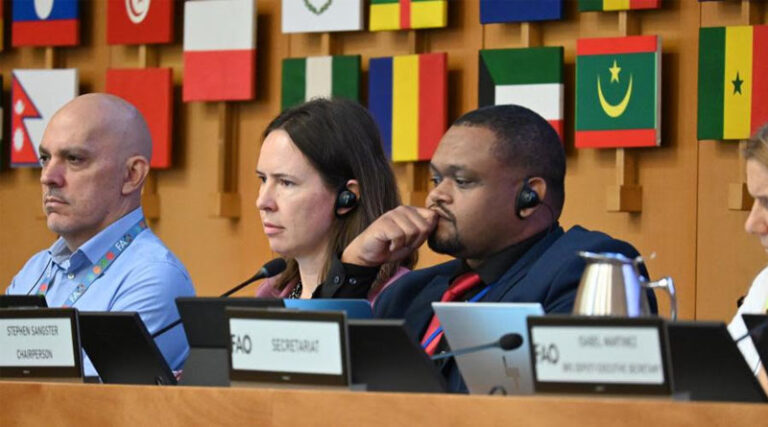
14 October 2026, Rome: The Pesticides Manufacturers & Formulators Association of India (PMFAI), in coordination with the Government of India, has successfully defended three pesticide molecules profenofos, phenthoate and quinalphos against listing at the 22nd meeting of the Chemical Review Committee (CRC-22) of the Rotterdam Convention, held in Rome from September 15 to 18, 2026.

The meeting reviewed notifications concerning final regulatory action on 14 pesticide molecules. Ahead of CRC-22, PMFAI constituted dedicated task force groups comprising industry experts to prepare technical submissions supporting the defence of the three molecules. These submissions were presented to the relevant Indian government ministries and the Rotterdam Convention Secretariat.
The Indian effort involved coordination with the Ministry of Environment, Forest and Climate Change, the Department of Chemicals and Petrochemicals, and the Department of Agriculture and Farmers Welfare. The PMFAI delegation was led by Dr. K.N. Singh of Gharda Chemicals Ltd. and Dr. Samir Dave of AIMCO Pesticides Ltd.
CRC-22 Outcomes for the Three Pesticides
The committee reached different outcomes for the three molecules under review.
For profenofos, consideration of the notification submitted by Malaysia was deferred. The committee’s Bureau was tasked with deciding whether the matter should be included on the agenda of a future meeting.
For quinalphos, the committee concluded that the notifications reviewed did not meet the criteria required for listing under the Rotterdam Convention at this stage.
A similar conclusion was reached for phenthoate, with the committee finding that the notifications did not meet the necessary criteria for listing.
Consequently, none of the three molecules was listed under the Rotterdam Convention as a result of the CRC-22 proceedings. However, the profenofos notification may be considered again at a future meeting, depending on the Bureau’s decision.
PMFAI Highlights Importance of Science-Based Advocacy
Commenting on the outcome, Pradip Dave, President of PMFAI, said, “The outcome of CRC-22 reflects the importance of coordinated engagement between the Indian agrochemical industry and the Government of India at international regulatory forums. Our efforts focused on presenting comprehensive technical information and ensuring that decisions concerning these molecules are considered against the applicable scientific and regulatory criteria. PMFAI will continue to work with government authorities to represent the interests of India’s domestic agrochemical industry through science-based advocacy and constructive dialogue.”
Implications for India’s Agrochemical Industry
PMFAI said the outcome highlights the role of technical submissions, regulatory engagement and cooperation between industry and government in international discussions concerning pesticides.
The Rotterdam Convention establishes procedures for the prior informed consent (PIC) mechanism governing international trade in certain hazardous chemicals and pesticides. Listing a chemical in Annex III triggers information-sharing and consent procedures for international trade; it does not, by itself, constitute a global ban on the chemical.
PMFAI said it would continue representing India’s agrochemical manufacturing and formulation industry at international forums, including the Rotterdam, Stockholm and Basel conventions, through technical engagement and collaboration with regulatory authorities.
Also Read: FMC Wins UK Approval for New Cyantraniliprole Formulations in Potatoes and Carrots
Global Agriculture is an independent international media platform covering agri-business, policy, technology, and sustainability. For editorial collaborations, thought leadership, and strategic communications, write to pr@global-agriculture.com