22 June 2026, US: To celebrate World Food Safety Day, the Morocco’s National Office for Food Safety (ONSSA) issued an article about the country’s progress in containing foodborne antimicrobial resistance (AMR).
In 2019, Morocco launched its National Strategic Plan for the Prevention and Control of Antimicrobial Resistance, integrating human health, animal health, and environmental considerations, in accordance with the “One Health” approach. This plan aims to strengthen the surveillance of antimicrobial resistance, promote its prudent use, and ensure the long-term preservation of its effectiveness.
Between 2021 and 2023, the implementation of this plan benefitted from the support of the Multi-Partner Trust Fund for the Fight Against Antimicrobial Resistance, thus contributing to accelerating actions undertaken at the national level.
Within this framework, Morocco has established a system for monitoring the quantities of antimicrobials used in livestock farming. Regulatory provisions have also been strengthened to prohibit the unauthorized use of antibiotics, particularly their use as growth promoters. The country also aligns itself with the Codex Alimentarius and Quadripartite guidelines on the prudent and responsible use of antimicrobials and the monitoring of antimicrobial resistance, in accordance with the Global Action Plan on this issue.
Thanks to these efforts, a significant 18 percent reduction in the quantities of antibiotics used in veterinary medicine has been recorded since the plan’s implementation. This development reflects a positive trend towards better control of antimicrobial use in the livestock sector. Furthermore, antibiotic resistance in various bacteria of epidemiological concern, both in animal and public health, is the subject of a national surveillance plan managed annually by the National Office for Food Safety. This system is coordinated, in particular, through the Division of Veterinary Pharmacy and Inputs, with the support of participating laboratories.
To support the implementation of this system, several practical training sessions were organized for the laboratories involved. The results of this monitoring help guide decision-making regarding antimicrobial management, risk prevention, and the adaptation of control measures.
The Ministry of Agriculture, Maritime Fisheries, Rural Development, and Water and Forests also involved stakeholders in the livestock sector in this initiative. To this end, an agreement was concluded with professional livestock federations, veterinary pharmaceutical industry associations, the National Order of Veterinarians, and veterinary training institutions. This agreement aims to clarify the responsibilities of the various stakeholders and strengthen prevention, awareness, and training efforts.
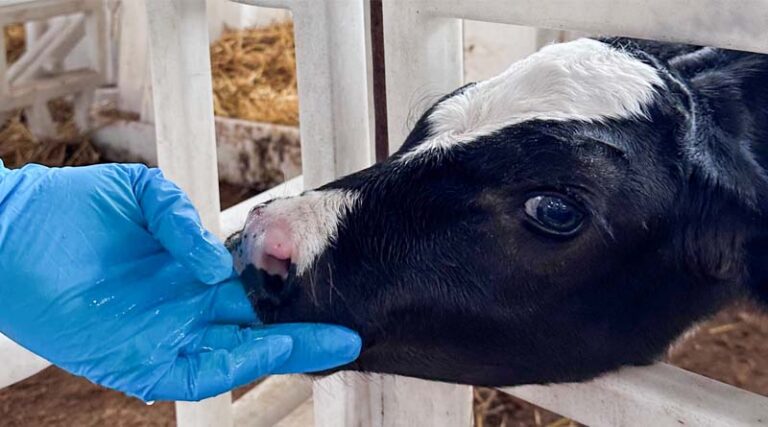
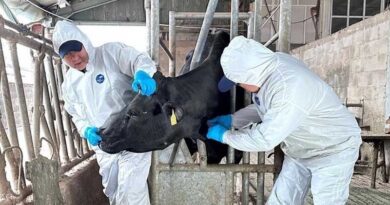
Within this framework, biosecurity guidelines were developed, and awareness campaigns were conducted for the poultry and dairy cattle sectors. More than one hundred professionals also benefited from train-the-trainer programs in infection prevention and biosecurity.
In conclusion, Morocco’s initiatives in the fight against antibiotic resistance demonstrate a firm commitment to animal health, public health, food safety, and the sustainability of livestock systems. They also reflect a collaborative, multidisciplinary, and forward-looking approach to addressing a major global health challenge.
Global Agriculture is an independent international media platform covering agri-business, policy, technology, and sustainability. For editorial collaborations, thought leadership, and strategic communications, write to pr@global-agriculture.com