India’s Banganappalli Mangoes Reach Singapore Through Cost-Effective Sea Shipment
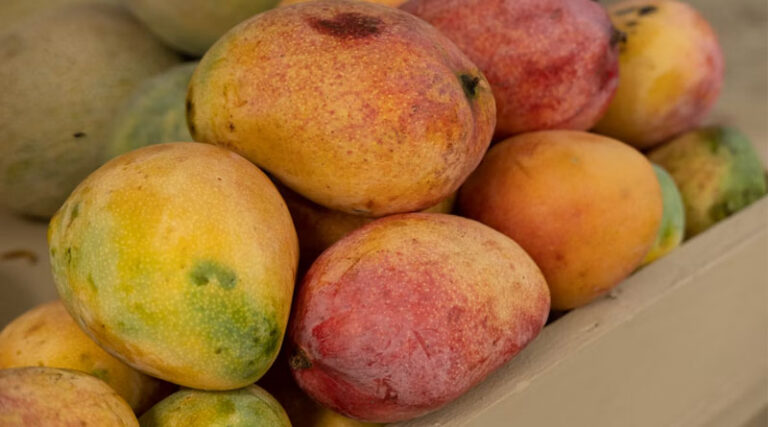
27 June 2026, New Delhi: India has achieved a major breakthrough in fresh fruit exports with the successful sea shipment of premium mangoes to Singapore, paving the way for more cost-effective and large-scale exports to global markets. The milestone is expected to strengthen India’s competitiveness in international horticultural trade by substantially lowering logistics costs while maintaining fruit quality.
The achievement follows the development of a scientific sea shipment protocol by the ICAR-Central Institute for Subtropical Horticulture (ICAR-CISH), Lucknow, in collaboration with the Agricultural and Processed Food Products Export Development Authority (APEDA). The protocol is designed to ensure that Indian mangoes retain their freshness and quality during extended sea transit, offering exporters an economical alternative to air freight.
Under the initiative, a consignment of 4.3 tonnes of Banganappalli mangoes from Andhra Pradesh was successfully exported to Singapore in a refrigerated container. Compared to air transportation, which costs approximately ₹150–250 per kg, sea shipment reduces logistics expenses to around ₹13–20 per kg, making Indian mangoes more price-competitive in overseas markets while improving returns for exporters and farmers.
The export protocol incorporates a comprehensive quality assurance system covering Good Agricultural Practices (GAP), residue-free cultivation, scientific harvesting, grading, packing, and post-harvest handling. Before shipment, the fruits underwent Hot Water Treatment (HWT) and CISH-Met Wash, a technology developed by ICAR-CISH to enhance shelf life, reduce post-harvest diseases, and preserve fruit quality during long-distance transportation.
Live Newsroom
ICAR-CISH scientists monitored participating orchards from fruit set through harvest using residue-safe production techniques and the institute’s FUSICONT biocontrol technology. The mangoes were also tested for quality parameters and Maximum Residue Limits (MRLs) before being processed at an APEDA-approved packhouse.
According to ICAR-CISH, the protocol extends the shelf life of mangoes to up to 30 days under sea shipment conditions. The Singapore consignment completed its 16-day voyage, arriving with 20.1°Brix Total Soluble Solids (TSS), zero disease incidence, and quality comparable to mangoes transported by air.
The successful shipment is expected to accelerate exports to regional markets including Singapore, Malaysia, and Hong Kong, where combined imports of Indian mangoes are estimated at US$4–5 million, while also opening greater opportunities in larger destinations such as the United Arab Emirates, a market valued at US$20–25 million.
The development of an affordable and scientifically validated sea shipment protocol is expected to strengthen India’s mango export ecosystem by improving export competitiveness, enhancing farmer incomes, and supporting sustainable growth in the country’s horticulture sector.
Also Read: EU Mandates Digital Labels for Plant Protection Products from 2028
Global Agriculture is an independent international media platform covering agri-business, policy, technology, and sustainability. For editorial collaborations, thought leadership, and strategic communications, write to pr@global-agriculture.com