Uttar Pradesh Targets 250% Crop Intensity as World Bank-Backed UP AGREES Project Drives Farm Transformation
Smart Farming, Export-Led Policies and World Bank-Backed Projects Drive Uttar Pradesh’s Ambition to Become India’s Agricultural Growth Engine
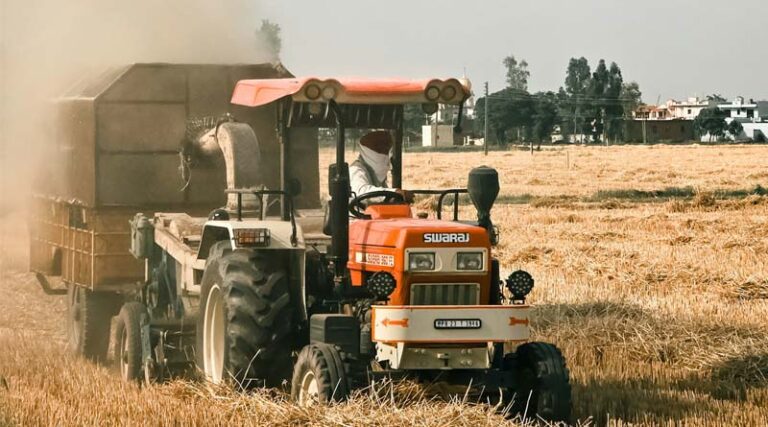
18 May 2026, New Delhi: The government of Uttar Pradesh is accelerating efforts to transform the state into a national and global model for agricultural growth through smart farming, modern technology adoption and export-oriented agricultural policies. Under the leadership of Yogi Adityanath, the state has outlined an ambitious roadmap to position Uttar Pradesh as a global hub for sustainable, high-value and market-driven agriculture by 2047.
The long-term strategy focuses on increasing farm productivity, strengthening agricultural exports, promoting crop diversification and integrating advanced technologies into farming systems. The government has also announced targets to significantly raise productivity of food grains, pulses and oilseeds while reducing post-harvest losses to below 4 percent.
One of the most aggressive goals outlined by the state is to increase cropping intensity beyond 250 percent by 2047, signalling a major push toward intensive and efficient land use. The government also aims to increase Uttar Pradesh’s contribution to India’s agricultural exports to more than 15 percent over the coming decades.
The state is simultaneously expanding the scope of organic farming and encouraging farmers to adopt modern agricultural practices, including drone-based applications, digital agriculture services, smart farming systems and agriculture-focused startups.
Uttar Pradesh Emerges as India’s Leading Agricultural State
According to the state government, Uttar Pradesh currently ranks first in India in the production of food grains, wheat, potatoes, sugarcane, vegetables and honey. The state has also climbed to the second position nationally in Agricultural Gross Value Added (GVA).
The agricultural GVA of the state has reached approximately Rs 4.66 lakh crore, accounting for nearly 15.7 percent of the state’s Gross State Value Added (GSVA), underlining the growing economic importance of agriculture within the state economy.
Between 2017 and 2025, the state recorded major gains across multiple crop categories. Wheat production increased by 16 percent, overall food grain production rose by 17 percent, oilseed production grew by 34 percent and pulse production increased by 26 percent.
The government has also intensified efforts to connect agricultural production with markets and exports. Agricultural exports from Uttar Pradesh reportedly increased 2.13 times during the period, reaching nearly Rs 7,139 crore in the 2024–25 financial year.
Officials say the strategy now extends beyond production growth and focuses heavily on improving product quality, creating export-ready supply chains and aligning agricultural output with international market standards.
Irrigation Expansion and Crop Diversification Gain Momentum
The government has prioritised irrigation expansion and crop diversification as part of its agricultural transformation strategy. Increased adoption of micro-irrigation systems is helping farmers improve productivity while reducing water use.
The total irrigated area in the state has increased by 33 percent, according to official figures. Oilseed cultivation area has expanded by 141 percent, while food grain production has risen by 36 percent and pulse production by 17 percent.
The government believes these interventions are helping improve farm profitability and increase farmer incomes while making agriculture more resilient and resource-efficient.
World Bank-Backed UP AGREES Project Targets Backward Regions
A major component of the state’s agricultural development strategy is the World Bank-supported UP AGREES project, which is being implemented across 28 districts in the Purvanchal and Bundelkhand regions.
The project, valued at nearly 325 million dollars, focuses on strengthening agriculture and fisheries while improving farmer incomes in some of the state’s economically weaker regions.
According to the government, the project aims to promote modern agricultural technologies and deliver more than 30 percent growth in agricultural production across participating districts. The initiative is expected to play a key role in reducing regional disparities while accelerating rural economic development in eastern and southern parts of the state.
Also Read: DCM Shriram Ltd. Reports ₹14,264 Crore Revenue and ₹856 Crore Profit for FY26
Global Agriculture is an independent international media platform covering agri-business, policy, technology, and sustainability. For editorial collaborations, thought leadership, and strategic communications, write