Soil Type Shapes Lettuce Heat Tolerance, University of Florida Study Finds
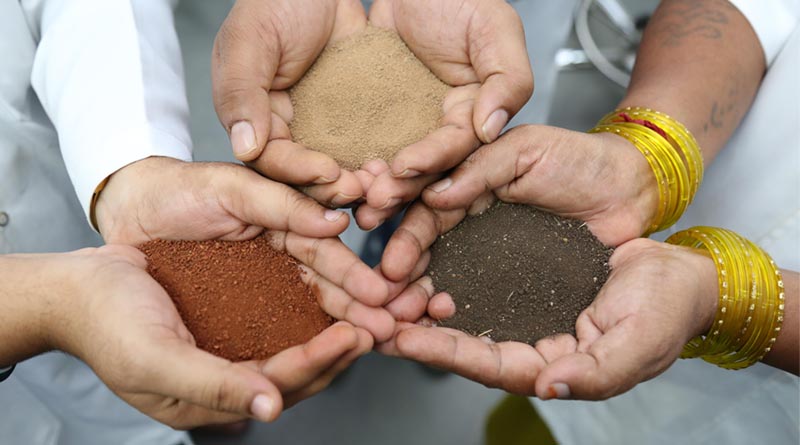
19 October 2026, Florida: Researchers at the University of Florida’s lettuce breeding program have found that the type of soil a lettuce
Read More
Soil health refers to the soil’s ability to function as a living ecosystem that supports plant growth, regulates water, cycles nutrients and sustains biological activity. It depends on the interaction of physical properties, chemical composition and biological processes, including soil structure, organic matter, nutrient availability, microbial diversity and water-holding capacity. Healthy soils are essential for agricultural productivity, food security and the long-term sustainability of farming systems.
Agricultural practices such as crop rotation, cover cropping, reduced tillage, balanced fertilisation, compost application and the use of organic amendments can help maintain or improve soil health. Soil testing enables farmers to assess nutrient status, pH and other indicators to guide fertiliser use and soil management decisions. Research into soil microbiomes, biofertilisers, biostimulants, carbon sequestration and precision agriculture is expanding understanding of how soil conditions affect crop performance, nutrient-use efficiency and resilience to drought and other climate stresses.
Follow the latest soil health news, including research findings, soil testing technologies, government programmes, regenerative agriculture practices and innovations in soil management. Coverage examines soil fertility, organic carbon, microbial activity, nutrient management, erosion control and efforts to restore degraded land, with a focus on their implications for farmers, agricultural researchers and the wider food system.
19 October 2026, Florida: Researchers at the University of Florida’s lettuce breeding program have found that the type of soil a lettuce
Read More02 June 2026, New Delhi: India has launched a nationwide ‘Khet Bachao Abhiyan’ (Save the Farm Campaign) aimed at improving soil health, promoting sustainable
Read More10 February 2026, New Delhi: Healthy soil is the foundation of productive farming. From checking moisture levels to correcting soil pH,
Read MoreOpinion piece by Dr. Mukund Dhavaji Patil, Senior Scientist – Soil Physics. 05 November 2025, New Delhi: Around the globe, regenerative agriculture
Read MoreTechnical Advisory from Indian Agriculture Research Institute (IARI) for Indian Farmers 08 April 2025, New Delhi: According to the IARI Advisory, this
Read More