ZELP

Find the latest news, product launches, research, partnerships, investments, and technology developments from ZELP. Stay informed on livestock methane emissions, cattle wearables, climate-smart agriculture, emissions measurement, methane mitigation, animal welfare, farm data, carbon accounting, and sustainable livestock production.

ZELP is a UK-based agricultural technology company developing solutions to help the livestock sector measure and reduce methane emissions from cattle. Its technology portfolio includes wearable devices, emissions monitoring, methane mitigation, and data analytics designed to operate in real-world farming environments.

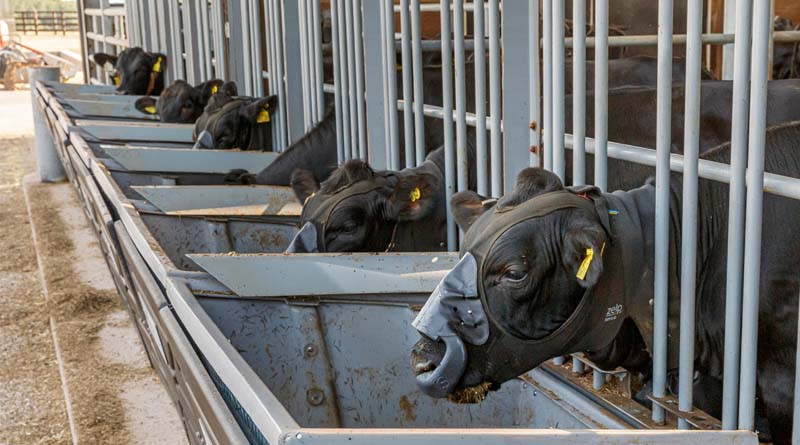
Its latest technology, ZELP Sense, is a wearable system that continuously measures methane (CH₄), carbon dioxide (CO₂), and estimated dry matter intake (DMI) from individual cattle. Data collected near the animal’s nostrils is processed using ZELP’s algorithms and made available through ZELP Insight, a mobile-optimised analytics platform. The system is designed for applications including livestock emissions inventories, methane-mitigation research, genetics programmes, carbon-credit projects, and verification of methane-reduction technologies.

In August 2026, ZELP commercially launched ZELP Sense, following more than 20,000 hours of real-world use during development and testing. The company says the system is intended to make individual-animal methane measurement more affordable and scalable, allowing cattle to continue normal feeding and drinking behaviour in commercial farm environments. The launch was supported through co-funding from the Global Methane Hub’s Enteric Fermentation R&D Accelerator.

ZELP is also developing ZELP Mitigate, a non-chemical wearable technology designed to capture and oxidise methane from cattle before it enters the atmosphere. The company says the system can simultaneously provide a traceable measure of methane mitigated per animal.

This category features ZELP news, ZELP Sense, ZELP Mitigate, livestock methane, cattle emissions measurement, methane-reduction technologies, animal monitoring, climate-smart livestock farming, carbon accounting, emissions verification, agricultural technology, research partnerships, and sustainable dairy and beef production.