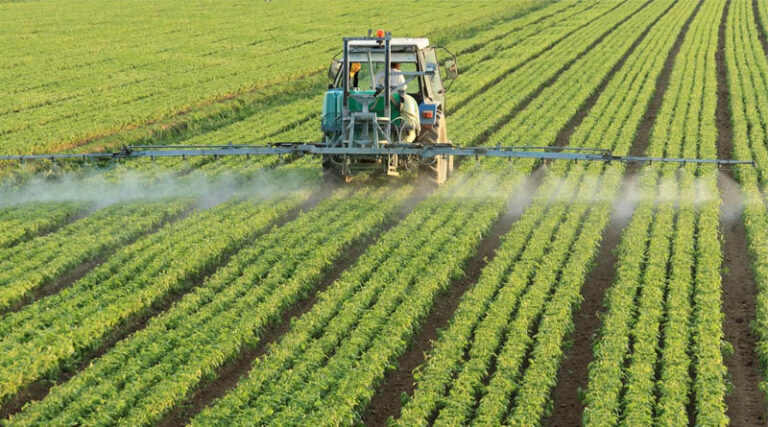
10 November 2026, London: British and European Union negotiators are working toward a sanitary and phytosanitary agreement due to be outlined at a summit in Brussels on November 20, a deal that would align Great Britain’s food, animal and plant health rules more closely with the EU’s and could force the withdrawal of a number of crop protection products still approved for use on British farms.
The agreement is part of a broader push by the UK government to reduce border checks, paperwork and certification requirements on agricultural trade with the EU, Britain’s largest trading partner for food and drink. The Department for Environment, Food and Rural Affairs has acknowledged in published guidance that aligning with EU rules could change which pesticides and biocides farmers are able to buy and how they can be used, though it says farmers are not currently required to change any pesticide use while negotiations continue and that the existing Great Britain regulatory regime remains in place for now.
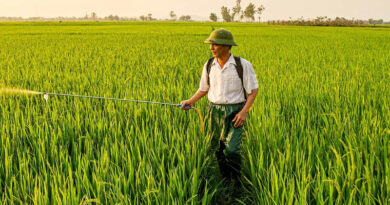
The National Farmers’ Union has identified specific products it wants protected in any final deal. Three active substances, cinmethylin, isoflucypram and pydiflumetofen, are approved for use in Great Britain but have not yet been approved in the EU, and the union is seeking safeguards to keep them available to British growers. Separately, the union has raised concerns about glyphosate, which remains approved in both markets for general weed control but which EU rules prohibit using as a pre-harvest desiccant, a practice still permitted in Great Britain. Losing that specific use, the union has warned, could raise harvesting costs and affect crop quality in cereals and oilseed rape. Creosote, a wood preservative commonly used to treat livestock fencing, is also at risk, since it is no longer permitted for agricultural applications under EU rules; the union has previously estimated the cost of losing access at several hundred million pounds over the working life of existing fencing and farm infrastructure.
Industry Seeks Transition Safeguards
National Farmers’ Union president Tom Bradshaw has said British growers need to keep access to science based crop protection products and that any changes agreed with the EU must come with an appropriate transition period rather than an abrupt withdrawal. The union says it supports the broader goal of easing trade friction with the EU but wants phased implementation of any pesticide withdrawals, continued access to emergency authorisations, and arrangements that would let British growers use products already approved elsewhere in the EU even where UK-specific approval has lagged.
The proposed deal has also drawn criticism from opponents of closer alignment with EU regulation. Former Conservative Party leader Iain Duncan Smith argued that Britain’s pesticide rules should reflect its own conditions rather than following EU decisions by default, describing the arrangement as turning the UK into a rule taker in future regulatory changes.
Defra has said it is considering targeted transitional arrangements for the areas where implementing regulatory changes would be most difficult for farmers, and is targeting the agreement coming into effect from mid-2027. The department has said the exact timing of any changes, along with the final list of products affected and any exemptions, remains subject to the outcome of ongoing negotiations ahead of the November 20 summit.
Global Agriculture is an independent international media platform covering agri-business, policy, technology, and sustainability. For editorial collaborations, thought leadership, and strategic communications, write to pr@global-agriculture.com