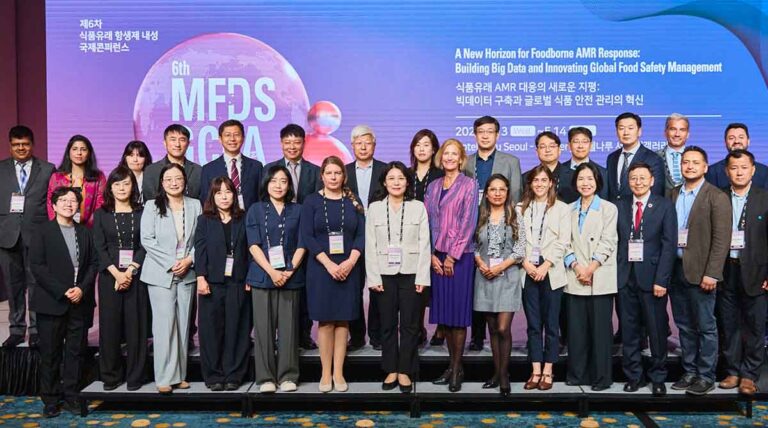
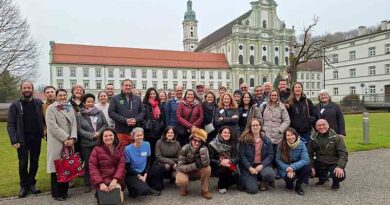
21 May 2026, Korea: The 6th Global Conference on Foodborne Antimicrobial Resistance (GCFA) was successfully held on 13 May 2026 in Seoul, Republic of Korea.
The conference has become an important international platform for discussing antimicrobial resistance (AMR) in the non-human sectors, particularly within food and agriculture systems, applying a One Health approach.
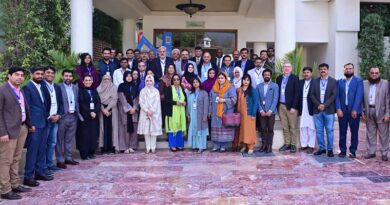
This year’s conference was organized during the Korean Food Safety Week. Prior to the GCFA, the Asia-Pacific Food Regulatory Authority Summit (APFRAS) was held on 11–12 May, creating strong momentum for regional collaboration on food safety and AMR issues. Mongolia participated in APFRAS with support from the ACT project, contributing to raising high-level awareness of foodborne AMR in its country.
The meeting was officially opened by Hyun-jung Kim, Director General of the Ministry of Food and Drug Safety (MFDS) of the Republic of Korea. Congratulatory remarks were delivered by Minister Yu-kyung Oh of MFDS and Thanawat Tiensin, Assistant Director-General of the Food and Agriculture Organization of the United Nations (FAO). Both speakers emphasized the importance of global collaboration to address foodborne AMR, while Thanawat Tiensin highly appreciated the Republic of Korea’s leadership and continued commitment in this area.
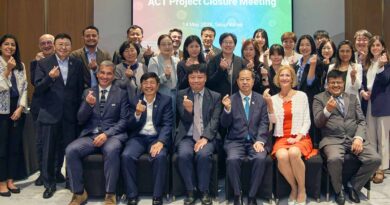
One of the highlights of the conference was the final session featuring the achievements of the Action to support implementation of Codex AMR texts (ACT) project. The session presented global progress and country-level experiences from the Plurinational State of Bolivia, Cambodia, Colombia, Nepal, and Mongolia, demonstrating the importance of integrated AMR responses through a One Health approach.
Approximately 130 participants attended the meeting in person, while around 690 participants joined online from around the world.
“This meeting provides a very important platform for discussing foodborne AMR challenges through a One Health approach,” said Myoengsin Choi, ACT Project Coordinator. “I am very pleased to share the progress and experiences of the ACT project, which demonstrated that the Codex AMR texts are valuable tools to support countries in strengthening their AMR management systems. Despite challenges such as limited awareness, technical capacity, and legal frameworks, ACT project countries have made remarkable progress in building strong foundations for sustainable AMR management and multi-sectoral collaboration.”
Throughout the conference, participants exchanged experiences on integrated AMR surveillance, stakeholder engagement, prudent antimicrobial use, AI-based data systems, and international cooperation to strengthen foodborne AMR responses.
The conference concluded successfully with strong commitments from participating countries and organizations to continue enhancing international collaboration and knowledge sharing on foodborne AMR.
Participants also expressed their expectation to continue discussions and cooperation at the next GCFA meeting.
Global Agriculture is an independent international media platform covering agri-business, policy, technology, and sustainability. For editorial collaborations, thought leadership, and strategic communications, write to pr@global-agriculture.com