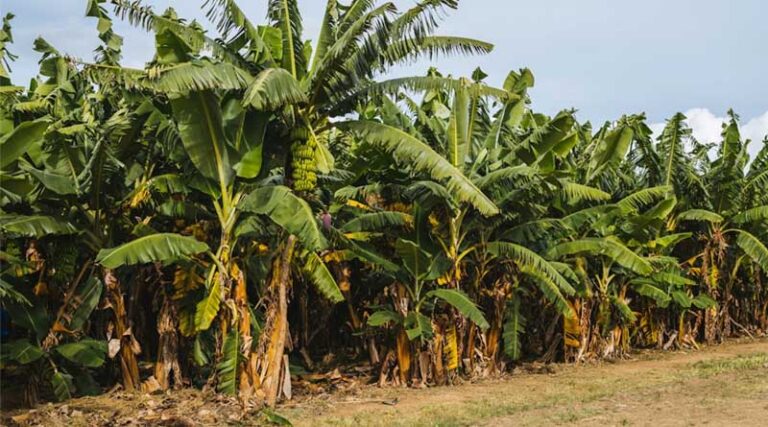
₹200-Crore Banana Cluster Approved in Maharashtra’s Jalgaon to Boost Horticulture Value Chain
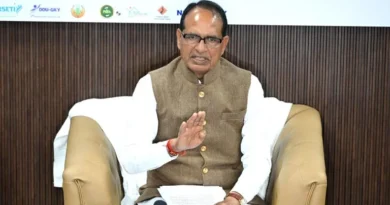
20 March 2026, New Delhi: In a significant push to strengthen India’s horticulture infrastructure and enhance farmer incomes, Union Minister for Agriculture & Farmers’ Welfare and Rural Development, Shri Shivraj Singh Chouhan, has announced the approval of a long-awaited ₹200-crore Banana Cluster in Jalgaon, Maharashtra.
During his visit to Jalgaon on the occasion of Gudi Padwa, the Minister interacted with banana growers and reiterated the Central Government’s commitment to building robust agricultural value chains. He highlighted Jalgaon’s importance as a key horticulture hub, often referred to as the “Banana City” of India, contributing substantially to the country’s fruit production and exports.
Integrated Infrastructure to Strengthen Banana Value Chain
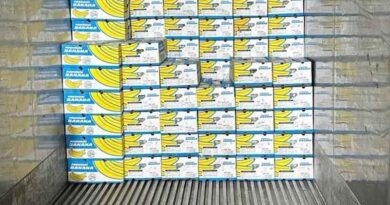
The approved Banana Cluster aims to create end-to-end infrastructure for improving productivity, quality, and market access. Key interventions under the project will include the adoption of Good Agricultural Practices (GAP), farm mechanisation, bio-control measures, fruit covering, and pre-cooling systems.
In addition, post-harvest and logistics infrastructure such as cold storage units, ripening chambers, refrigerated transport, processing facilities, and export-oriented systems will be developed. Financial support for these components will be extended through existing government schemes, including the Mission for Integrated Development of Horticulture (MIDH) and the Agriculture Infrastructure Fund (AIF), ensuring direct benefits to farmers and agri-entrepreneurs.
Addressing Price Disparity and Farmer Returns
The Minister raised concerns over the persistent gap between farmgate prices and retail prices in urban markets. He noted that farmers are often forced to sell perishable commodities like tomatoes at low prices, while consumers pay significantly higher rates in cities.
He assured that both the Centre and state governments are working towards creating mechanisms that ensure better price realisation for farmers and reduce inefficiencies in the supply chain.
Exploring Price Compensation Models Beyond MSP
Recognising the limitations of the Minimum Support Price (MSP) system for perishable crops like bananas, Shri Chouhan indicated that the government is exploring alternative pricing mechanisms. These may include compensating farmers when market prices fall below a defined benchmark or cost of production.
He added that pilot initiatives for such models have already been undertaken in crops like chillies and mangoes, and further refinements are being considered under the PM-AASHA scheme to safeguard farmer incomes.
Push for Sustainable and Natural Farming
Highlighting the long-term risks of excessive chemical fertiliser and pesticide use, the Minister stressed the need for sustainable agricultural practices. He pointed out that declining soil organic carbon levels and loss of beneficial microorganisms are affecting soil health and productivity.
Farmers were encouraged to gradually adopt natural farming practices, starting with small-scale trials. Shri Chouhan emphasised that, when implemented effectively, natural farming can maintain yields while improving soil fertility and long-term sustainability.
Strengthening Global Identity of Jalgaon Bananas
The government also plans to develop a strategic roadmap based on farmer feedback to address local challenges and unlock export potential. The Minister underscored the need to build a strong global identity for Jalgaon bananas and assured that necessary policy and infrastructure support will be provided.
Also Read: India Issues Draft Rules for Amendment to Its Insecticides Rules, 1971
Global Agriculture is an independent international media platform covering agri-business, policy, technology, and sustainability. For editorial collaborations, thought leadership, and strategic communications, write to pr@global-agriculture.com