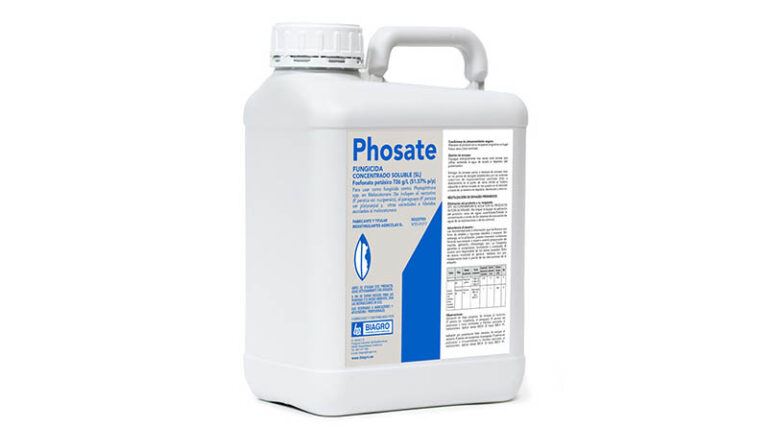
03 August 2026, Valencia: Phytophthora represents one of the more destructive genera of plant pathogens in global agriculture, responsible for devastating diseases across a wide range of crops through mechanisms including root rot, crown rot, and various aerial blights depending on the specific species and host crop involved. Phosate is registered specifically for the control of Phytophthora spp. on peach (registration No ES-01217), offering growers a dedicated fungicide tool targeted at this particularly consequential pathogen genus.
Phytophthora pathogens are technically oomycetes rather than true fungi, a taxonomic distinction that carries practical significance for disease management, since oomycetes respond differently to certain fungicide classes compared to true fungal pathogens due to fundamental differences in their cell wall composition and biochemistry. This distinction is part of why dedicated Phytophthora-targeted products like Phosate occupy an important, specific role within broader disease management programs, rather than growers simply relying on general-purpose fungicides that may show reduced efficacy against oomycete pathogens compared to their performance against true fungal disease targets.
In peach production specifically, Phytophthora species are associated with serious root and crown rot diseases, conditions that can be particularly devastating because they attack the tree’s foundational structural and vascular systems, often leading to progressive decline and, in severe cases, tree death if left unmanaged. These below-ground and crown-level infections can be especially challenging to diagnose in their early stages, since above-ground symptoms — reduced vigor, canopy thinning, and eventual wilting — often don’t become apparent until the disease has already progressed considerably within the root and crown tissue.
Given this challenging diagnostic profile, disease management approaches for Phytophthora in peach and similar tree crops typically emphasize a combination of preventive strategies: appropriate site selection and drainage management to reduce the waterlogged soil conditions that favor Phytophthora development and spread, alongside targeted fungicide applications like Phosate integrated into a broader disease management calendar aligned with periods of elevated disease risk, such as extended wet periods or seasons following unusually heavy rainfall.
As a registered fungicide product, Phosate’s specific application rates, timing, and use restrictions are governed by its official registration documentation (No ES-01217), and growers should always consult and follow the current product label and any applicable local regulatory guidance for precise application instructions, pre-harvest intervals, and any other legally mandated use restrictions specific to their region and production system. Fungicide registrations and approved uses can also vary or be updated over time, making it important for growers to confirm current registration status and approved use patterns through official channels before incorporating any registered fungicide product into their disease management program.
Within a broader integrated disease management strategy, targeted fungicide products like Phosate typically work best as one component alongside cultural and preventive practices — proper irrigation management to avoid waterlogged conditions that favor Phytophthora development, appropriate soil drainage, and, where relevant, resistant rootstock selection for new plantings in areas with a known history of Phytophthora pressure. Relying on fungicide intervention alone, without addressing the underlying environmental conditions that favor disease development, generally produces less durable results than a combined, multi-tactic management approach.
For peach growers managing known or anticipated Phytophthora pressure, Phosate offers a specifically registered fungicide tool targeted at this consequential pathogen genus, providing a dedicated management option that complements the broader cultural and site-management practices essential to effectively controlling this challenging disease over the long term.
Global Agriculture is an independent international media platform covering agri-business, policy, technology, and sustainability. For editorial collaborations, thought leadership, and strategic communications, write to pr@global-agriculture.com