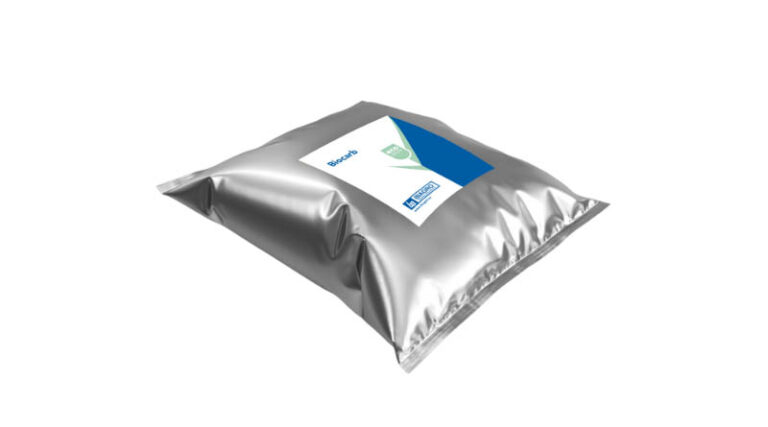
03 August 2026, Valencia: Among the tools available to growers managing fungal disease pressure, “basic substances” occupy a distinctive regulatory and practical category: naturally occurring compounds, often already used in food or other everyday applications, that have been recognized for plant protection use based on their history of safety and their demonstrated biological activity against specific pathogens. Biocarb fits squarely into this category, built around food-grade sodium hydrogencarbonate — more commonly known as sodium bicarbonate — offering growers a well-established, naturally derived option within their broader disease management strategy.
Sodium bicarbonate’s fungal-suppressive activity has been documented and utilized in agriculture for many decades, predating much of the modern synthetic fungicide industry. Its mode of action relates to the compound’s effect on fungal cell osmotic balance and surface pH, creating conditions on treated plant surfaces that are less hospitable to fungal spore germination and mycelial development. This mechanism differs fundamentally from the more targeted biochemical pathways that many synthetic fungicides rely on, which is part of why basic substances like sodium bicarbonate remain valuable tools even in disease management programs that also incorporate more conventional chemical controls — they offer a mode of action less likely to overlap with existing resistance management concerns tied to synthetic fungicide classes.
The “food-grade” designation attached to Biocarb’s sodium hydrogencarbonate content reflects both a purity standard and the compound’s fundamentally benign safety profile — the same substance used in food preparation and various household applications, repurposed here for its agricultural utility. This safety profile is one of the defining characteristics that qualifies sodium bicarbonate for basic substance status under plant protection regulatory frameworks, and it’s also a practical consideration for growers concerned about worker safety, environmental impact, and minimizing synthetic chemical residues within their production system.
As a basic substance rather than a conventional synthetic fungicide, Biocarb is generally positioned within integrated disease management programs as a complementary tool rather than a sole, standalone solution for severe disease pressure. Its role often centers on preventive application, helping create less favorable surface conditions for fungal establishment before disease pressure becomes severe, or as a component within a broader rotation strategy designed to reduce reliance on any single mode of action — a practice increasingly important for managing fungicide resistance development in pathogen populations exposed to repeated synthetic chemical applications.
Growers operating under organic certification or reduced-synthetic-input production systems often find particular value in basic substances like Biocarb, since these products typically qualify for use within organic-compatible frameworks, subject to the specific certification standards applicable in a given region and crop. This makes Biocarb a relevant tool not just for conventional growers looking to diversify their disease management toolkit, but specifically for operations where synthetic fungicide options are restricted or entirely unavailable.
The practical application of a sodium bicarbonate-based product like Biocarb typically involves foliar spray delivery, timed to coincide with periods of anticipated disease pressure — conditions of high humidity, moderate temperatures, or other environmental factors known to favor fungal pathogen development for the specific crop and disease pressure a grower is managing. Because basic substances generally work through surface-level mode of action rather than systemic uptake, thorough spray coverage and appropriately timed reapplication following rainfall or irrigation events matter considerably for maintaining consistent protective activity.
For growers seeking to diversify their disease management program with a naturally derived, food-grade option — whether to support resistance management strategy, meet organic production requirements, or simply reduce reliance on synthetic fungicide inputs — Biocarb offers a well-established basic substance solution with a long history of practical agricultural use. Integrated thoughtfully within a broader, multi-tactic disease management approach, it provides a genuinely natural complement to whatever other tools a grower’s specific production system and regulatory framework allow.
Global Agriculture is an independent international media platform covering agri-business, policy, technology, and sustainability. For editorial collaborations, thought leadership, and strategic communications, write to pr@global-agriculture.com