John Deere’s GUSS Robots Gain Color Lidar to Navigate Orchards Without GPS
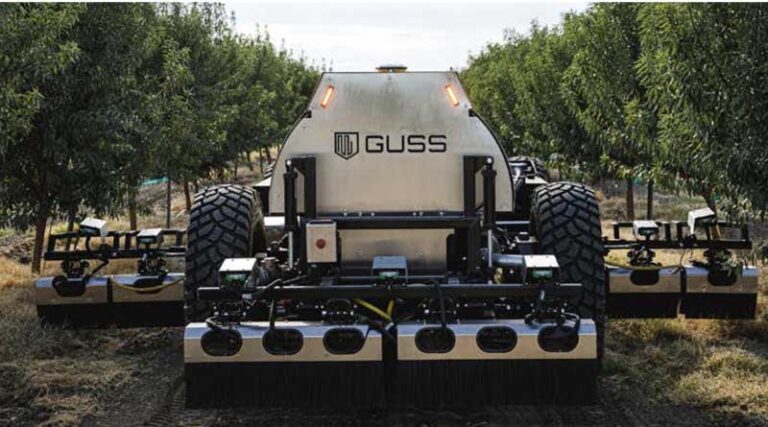
07 October 2026, California: John Deere’s autonomous orchard-spraying unit, GUSS Automation, is fitting a new generation of color lidar sensors to its
Read More

Get the latest Autonomous Spraying news, research and developments covering robotic sprayers, precision crop protection, AI-powered weed detection and automated pesticide application. Coverage includes technologies designed to identify specific plants or crop targets and apply herbicides, fungicides and insecticides with reduced manual intervention and more precise control over spray placement.
Autonomous spraying systems combine computer vision, artificial intelligence, GPS, LiDAR sensors, cameras, variable-rate controls and robotic platforms to navigate fields and identify spraying targets. Applications range from selective weed control in row crops and vegetable fields to automated spraying in orchards and vineyards. These technologies aim to improve application accuracy, reduce chemical use, limit spray drift and address labour constraints in agricultural operations.
Find updates on autonomous sprayer launches, field trials, machine-vision systems, robotic navigation, smart nozzles and adaptive spray technologies. Research published in September 2026 demonstrated a robotic system for hilly agriculture in Uttarakhand that used YOLOv11-based weed detection and achieved a 64.8% reduction in herbicide volume compared with blanket spraying under the tested field conditions. Other developments include AI systems that adjust spraying decisions based on crop characteristics, terrain and weather, highlighting the growing role of automation in precision agriculture.
07 October 2026, California: John Deere’s autonomous orchard-spraying unit, GUSS Automation, is fitting a new generation of color lidar sensors to its
Read More03 October 2026, Queensland: A robotic system that refills and remixes chemical tanks for autonomous spray robots without a worker ever touching
Read More